When an acrid haze began drifting over the neat rows of vines that blanket the landscape north of Bordeaux, it was just the latest challenge from a changing climate that is toughening conditions for historic vineyards that still bear the names of the Irish “wine geese”.
Road signs and entrances to elegant chateaux are dotted with names such as Lynch, Phelan, Kirwan and Boyd, the stamp of 18th-century venturers from Ireland who founded vineyards, made their fortunes and left their names on Bordeaux wine bottles to this day.
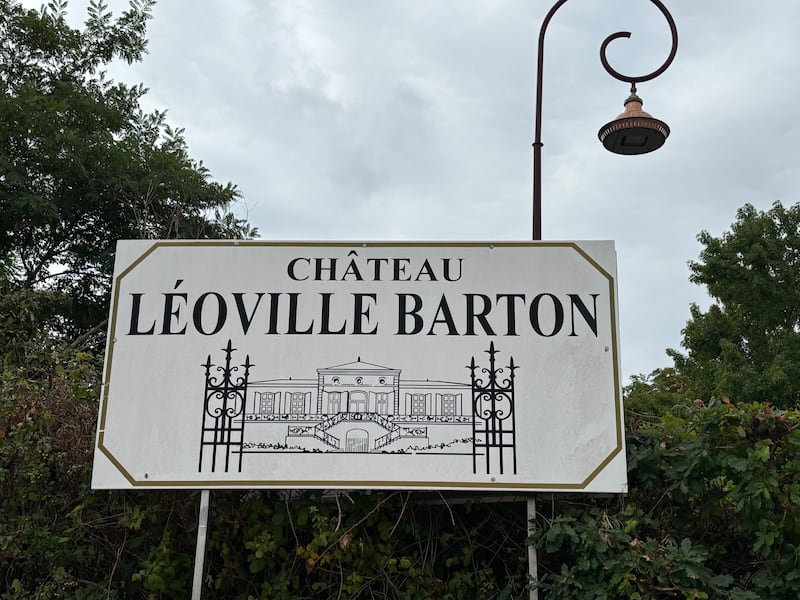
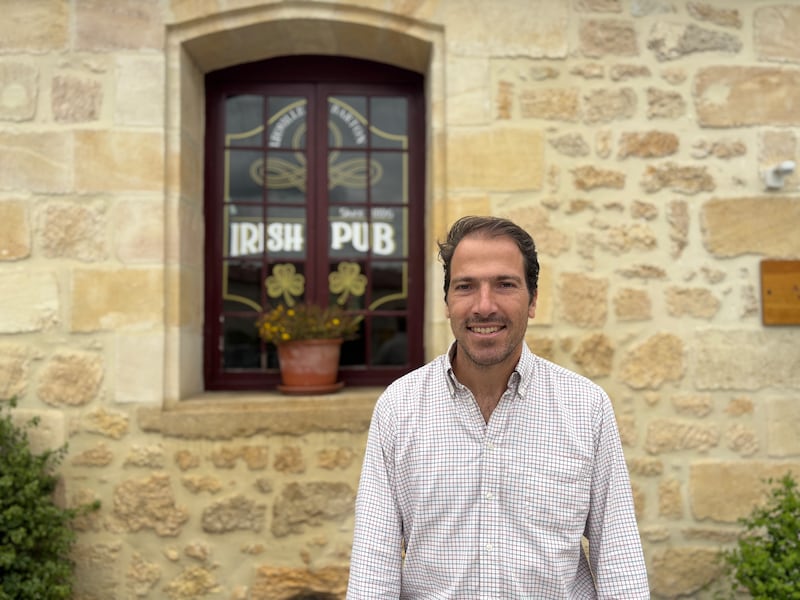
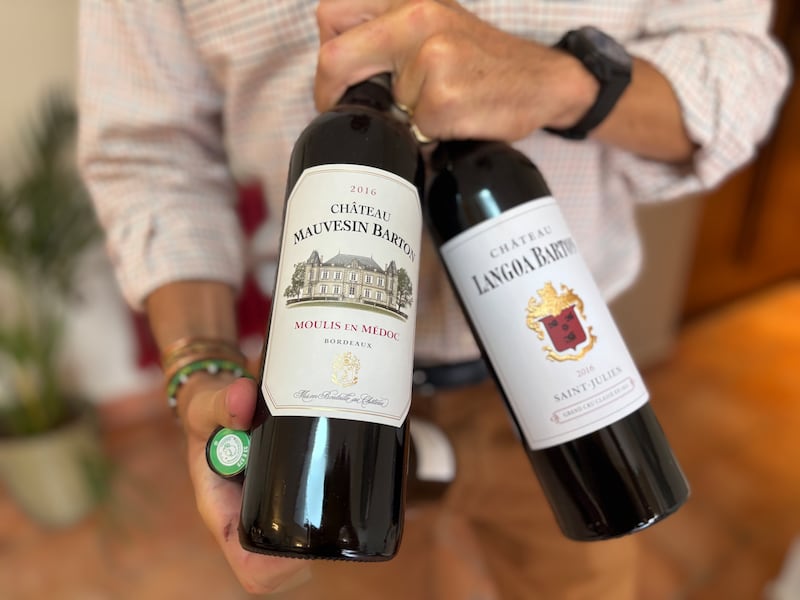
Damien Barton Sartorius (35) is the 10th generation of an Irish-French winemaking dynasty that has never lost its Irish links since ancestor Thomas Barton of Co Fermanagh arrived in Bordeaux in 1722.
“I’m lucky to have both passports,” Barton Sartorius says from his Bordeaux chateau, home to generations of his family who until recently also kept an Irish base – his grandfather was born in Straffan House in Co Kildare.
RM Block


The epicentre of the Gironde wildfire was a 35-minute drive from the Château Langoa Léoville-Barton, where Barton Sartorius lives today with his young family and grandmother, surrounded by fields of vines and a large modernised winemaking operation.
Shamrocks are painted on the road outside, and in the chateau courtyard is what Barton Sartorius cheerfully describes as a “fake Irish pub”, festooned with tricolours to mark a recent anniversary.
Barton Sartorius is among the many local winemakers who took water tanks and hoses and went to help fight the blaze when it became clear that firefighters were struggling to contain it.
“We saw how the firemen were helpless, because they said: ‘The water is very far, we’re wasting so much time, there are fires everywhere, we cannot be everywhere’,” he says. “We got the tractor ready and we went to help.”
Grapes can be spoiled by wildfire smoke – a problem all too well known to growers across the Atlantic in California – but it depends on how much smoke there is, how developed the grapes are and how close to the fire, what is burning and what compounds are in the fumes.
Barton Sartorius is confident that the amount of smoke his vines were exposed to was not enough to have an impact.
The real problem that Château Langoa Léoville-Barton is facing, he says, is the same one that set the conditions for the fire to take hold: excessive heat and lack of rain.
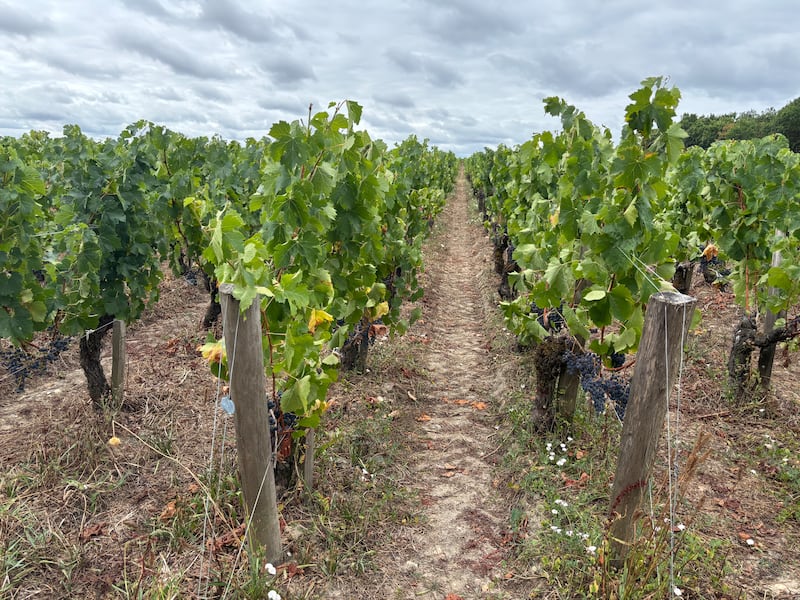
“This year, we’ve had only 5mm of rain since early June. It’s nothing, it’s like an hour’s worth of rain,” Barton Sartorius says.
The hot conditions don’t badly affect the taste of the wine: the château’s principal variety of cabernet sauvignon is often grown in hot climates. But the without rain, the grapes are fewer and smaller.
“Last year in 2025, and before that in 2022, we had a very, very small harvest. Here we are in the winery,” as Barton Sartorius gestures around to the vast wine barrels and tanks. “Only half of it was full with grapes. Tiny. We’ve never produced so little wine.”
Last year ended up being a nice vintage, but with only a third of their usual production available to sell the chateau struggled to break even.
“We hardly levelled between our cost of production and our cost of sales. So we actually lost a bit of money this year selling our wine, although it’s an exceptional vintage,” Barton Sartorius says.
“Our cost of production is very high. But considering the global economy we cannot sell our wine much more expensive. It’s just the way it is.”
Like Langoa Barton and Leoville Barton, Château Boyd-Cantenac is another wine estate carrying the name of an Irish founder that was included in the Bordeaux wine official classification of 1855 – a prestigious list commissioned by Emperor Napoleon III that remains a global marker of elite-status wines.
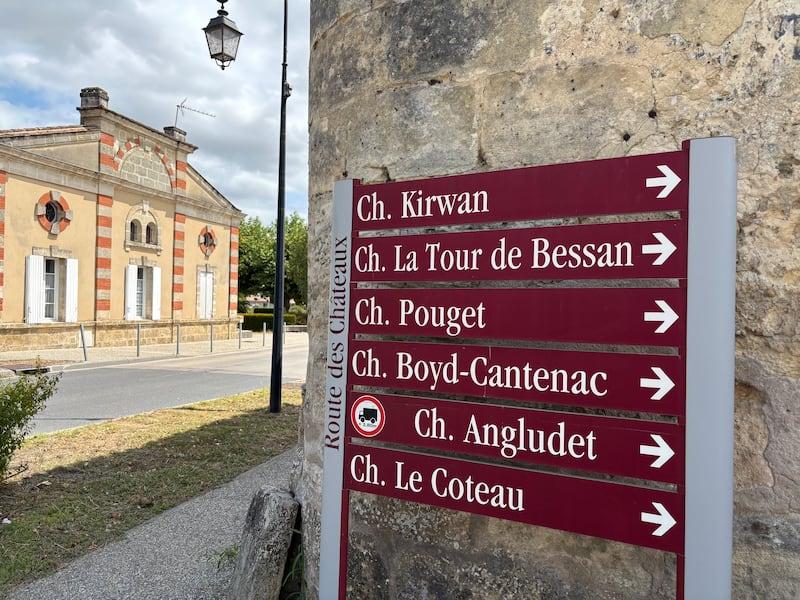
The original Boyd was James, or Jacques Boyd, a member of a leading Belfast family of merchants originally from Scotland who bought the vineyard in 1754.
Sandra Arzilier, administrative and commercial manager of Château Boyd-Cantenac today, is also optimistic that the grapes will escape any effect from the fire.
“Although we have noticed the smell of smoke, the ripening period – the most sensitive stage for contamination of the grapes, particularly as the harvest approaches – has only just begun,” she says.
Bordeaux is also lucky not to be the first to face the issue and can learn from the experience of others. In recent years, the increasingly common issue of “smoke taint” has caused wineries around the world to come up with special processing and filtration practices that can help.
“Other vineyards around the world – the United States, Australia, Chile – have already faced such situations and that effective oenological solutions now exist,” Arzilier says.
Not far away is Chateau Kirwan, which bears the name of Mark Kirwan, a merchant from one of the tribes of Galway who bought it in 1760. For a century it has been owned by the Schÿler family, another old Bordeaux winemaking family that kept the Irish name.
The harvest “looks set to be a very promising one”, says managing director Yann Schÿler. “The heat is bringing forward the harvest, which is always a strong indicator of quality.”
France recently entered its fourth heatwave of the summer. Many winemakers are praying that it is followed by rain.
“Our main concern at present is the drought,” Schÿler says. It is putting our young vines under severe strain and significantly reducing the size of the berries, which are set to be very small – perhaps even smaller than in 2025.”
Chateau Phélan Ségur is named for its 18th century founder Bernard O’Phelan from Co Tipperary and its current owners keep close links to Ireland. “Our only point of contention is rugby,” says general manager Véronique Dausse.
Its workers were among those who took pumps and went to help the firefighters tackle the blaze.
“The fire is subsiding. But it will have serious ecological and economic consequences,” Dausse says. “Here, we were worried about tour cancellations.”
Several vineyards report that tourists pulled out of bookings or asked to reschedule due to concerns about the fire or travel disruption, part of a wider financial impact that France’s economy minister Roland Lescure described as “an economic bombshell for a region that doesn’t need one”.
While businesses closer to the fire are still reopening, those further away are keen for the visitors to return.
“We need to explain to vacationers that the situation is perfectly ‘normal’ in the vineyards,” Dausse says.
The Barton Sartorius tractor is now back at the chateau helping prepare the harvest, its firefighting days behind it – at least for now.
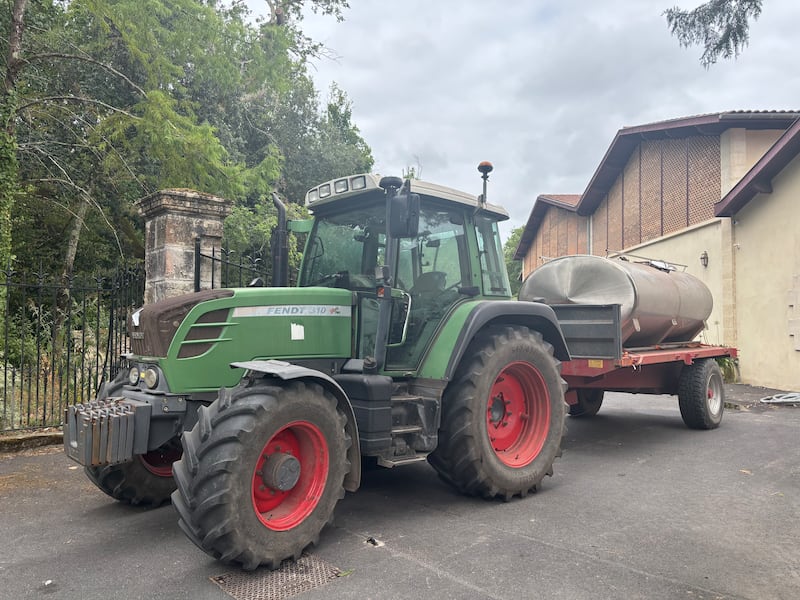
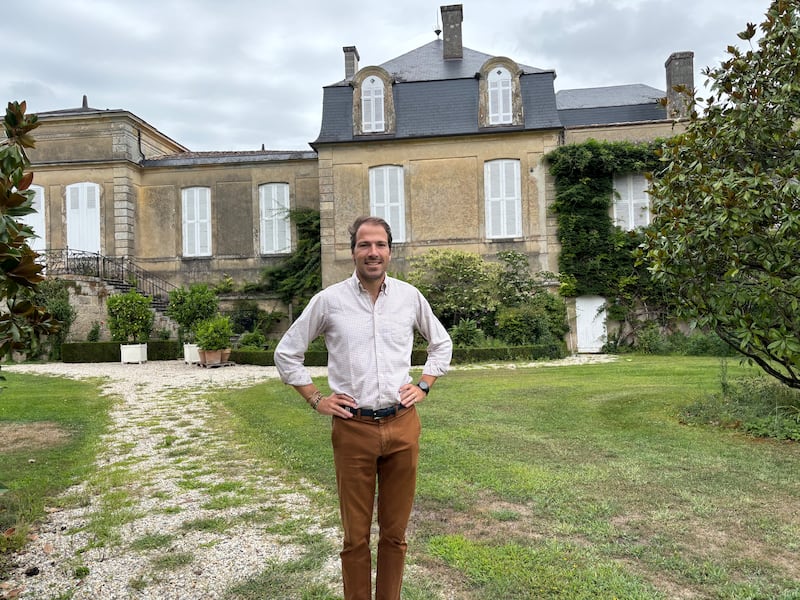
“They’re actually using it in the vineyard right now, because the baby vines, the ones that are three years old, they’re very thirsty,” Barton Sartorius says.
“The best thing anyone can do now is come and visit, because the fire is gone,” he continued. “The whole region is as beautiful as it was. It’s just sadly we’ve lost some forest. It will regrow. Come and visit, because it’s as nice as it was before.”