Once a season of scarcity and survival, winter’s dark and cold months still bring challenges to overcome. We asked 10 experts for their top tips on embracing the season, from thermal underwear to daily bunny hops and spiced recipes to warm the soul.
Respect the season
A time to rest
“Winter is a time to rest in order to thrive,” says Edel Heeran, a heritage expert and author of a newly published book The Irish Year: A Seasonal Guide to Living Well the Irish Way. “It’s necessary for our wellbeing. We are part of nature, and just as the natural world is resting and slowing down, so are we.” There is a 10-hour difference in the amount of daylight between the summer and winter solstices in Ireland. A few generations ago, increased darkness naturally enforced a slowdown in human activity. The nature of our modern world means we can keep the same routine all year. “If you want to see how to do it, look outside because nature is putting on a show for us,” says Heeran. “The trees are going dormant, the bats and hedgehogs are hibernating, and our insects are overwintering. Their work is done for the year. Life is dying back. This is a time to step back rather than push yourself.”
The cycle of life
The turning of the season from autumn to winter was once considered such an important shift that the Celts celebrated their new year in November. “Great fires were lit, and feasts were given to mark the move into the dark half of the year and to honour the spirits of ancestors,” says Heeran. Around the world, people continue to take time to remember as the seasons shift and darken. “Death has always been a painful part of life,” says Heeran. “In the past, people would have set the table for someone who has departed. It’s nice to use this time still to light candles, to speak to children about their ancestors.”
Seize the day
“Even the dreariest and coldest of days can hold joy and a sense of belonging,” says Heeran, who recalls the seanfhocail, or Irish proverb, “Is iomaí lá ag an uaigh orainn”. Translated literally, it means “we spend many days in the grave”. “It’s important to get outside and seize the day too.” While the trees are leafless and wildlife hibernates, winter brings its own delights. “I live in the midlands, and one of the things I love seeing this time of year is starling murmurations. They’re magical, life-affirming to see, especially over the water.”
RM Block



New thinking
Reframe it

Moving away from focusing on the dark, cold or rainy weather and speaking instead about winter as a cosy, restful period for relaxation and rejuvenation can help improve mood and resilience all season long. “This is applying cognitive behavioural therapy concepts to shift how you view winter,” explains Jasmin Stollard, an integrative psychotherapist who runs New Wave Wild Project, an adventure therapy practice in Co Kerry. Taking the focus away from the negative and choosing to notice the little glimmers of light and magic in the everyday can help to brighten our spirits. “A freshly made bed, birdsong, glassy puddles, a hearty laugh,” are some of her favourites.
See the light
Waking up in the dark and seeing it descend again by midafternoon can be tough going. “It’s important, even on cold days, to get outside whenever possible,” says Stollard. Taking a short walk or exercising in the fresh air helps to boost energy. “It’s important to recognise that winter brings changes that affect daily routines, mood and energy levels.” To make the seasonal transitions easier and support a healthy circadian rhythm, she recommends maintaining consistent sleeping and waking schedules.
Keep it lit
With work and life’s many commitments, finding enough time to get outside in the shorter daylight hours can be a challenge. Matthew McConnell, editor of Outsider.ie, recommends buying a “portable daylight extender”, otherwise known as a headtorch, to elongate the days. “Instead of thinking: ‘I can’t go out, it’s dark,’ strap on your headtorch and go out anyway,” says McConnell. An avid mountain runner, McConnell recommends signing up for a springtime event or expedition. “Having an aim will motivate you to get out on dark evenings where the couch is calling your name.”
Have adventures
Grey skies and drab days can lend winter a feeling of monotony, but adventures are possible in all seasons, says Paddy Barry, the polar sailor and author of So Far, So Good: An Adventurous Life. “Going for a cold sea plunge and a sauna is an adventure if you’re not used to it, or driving over the Wicklow Gap on a frosty day, or hiking on a new mountain. An adventure is any venture where the outcome is uncertain.” The great joy of an adventure can also be the moment of return. It was the Danes who turned hygge into a cultural juggernaut, but the concept of cosy is universal. “I always look forward to December and January,” says Barry, who has sailed in both the Arctic and Antarctic. “It’s time to sit by the fire, throw some turf on, have a little whiskey.”
Dress the part
Layer like a pro
The temptation to leave home wrapped in a duvet can be powerful, especially on those bleak days in midwinter, but looking stylish and keeping warm is possible. North of the Arctic Circle, Barry says a polar suit and thermal underwear is non-negotiable, but what about at Ireland’s latitude of 53 degrees north? “The secret is clever layering and choosing the right fabrics,” says stylist Sinéad Keenan, who recommends starting with a fine thermal base layer, particularly on bitterly cold days. “Modern technical thermals are so lightweight that they are almost invisible under clothing. Layer a fine cashmere or merino knit over this, followed by a blazer or coat.” Mindful of proportion, Keenan recommends balancing out chunky, oversized knits with streamlined trousers or a skirt to avoid looking overwhelmed by layers.
Invest in these pieces
Planning an outfit that feels comfortable in chilly air, stuffy buses, wet walks and heated indoors is all about choosing the right fabrics, says Keenan. She recommends looking at the composition labels when buying and prioritising natural fibres. “Invest in a coat with a high wool content, ideally wool or a wool-cashmere blend, for warmth, breathability and longevity. Avoid high percentages of polyester, which generally won’t offer the same insulation or breathability.” Keenan also prioritises pieces with inbuilt versatility such as wool coats or puffers with removable quilted, faux fur or down inserts. This allows you “to adapt to changing temperatures without compromising on style”.
When the rain comes
It’s a peculiar quirk of the Irish population that so few of us own waterproofs, despite the inevitability of rain. So how to prepare for those days when the cold is finger-numbing, and the rain is coming down sideways? “A good-quality waterproof trench or raincoat is invaluable. It should ideally be roomy enough to layer over knitwear,” says Keenan, who advises looking for a sleek, well-cut style in a technical fabric with a proper hood or a high collar for extra protection. Add a stylish umbrella or a nylon bucket hat for “warmth, personality and a contemporary edge”.
Eat up
Add spice
For cold-weather food, Rosie Healy, a private retreat chef, recommends warming the body from within by adding spices. “Bring ginger, cinnamon, turmeric, cloves and nutmeg into the cooking. These bring depth and fragrance to everyday dishes, from morning porridge to a pot of soup or a warming evening meal.” She also suggests using nutrient-rich ingredients such as lentils, beans, root vegetables, seasonal greens, nuts, seeds and good-quality fats in meals to both nourish and bring pleasure to your plate. “A little ghee adds a beautiful richness to soups, vegetables and traditional Ayurvedic dishes like kitchari, a dish made with rice, mung beans and warming spices.”
Soup wins every time
“There’s something very reassuring about a big pot of soup,” says Yvette Van Boven, a Dutch chef and cookbook author living in west Cork. “You’ve done the cooking, the kitchen smells lovely, and tomorrow’s lunch − or dinner − is sorted too.” To make the most out of a batch of soup, Van Boven recommends keeping enough in the fridge for a few days and freezing a few portions for when cooking feels like a chore. To avoid bowls feeling monotonous, use different toppings each day. “I’d keep the soup fairly simple and change what goes on top. Pumpkin and butter bean soup could have tahini and harissa one day, then crumbled feta, dill and toasted walnuts the next. One pot, with enough variation to keep you looking forward to it, works for me all winter long.”
Try something new
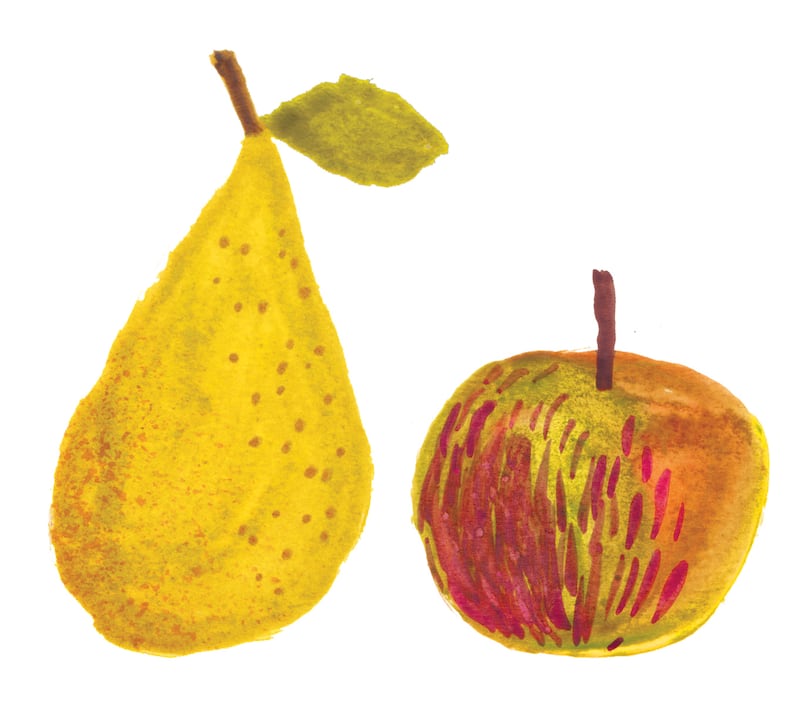
Sometimes what’s needed is a sweet treat, and Van Boven has three favourite winter recipes to warm hearts and bones.
Warm apple juice made with ginger, bay and lemon
Gently heat 500ml unsweetened apple juice with 250ml water, four slices of fresh ginger, two bay leaves and a strip of lemon peel. Leave to infuse over low heat for 10 minutes, without boiling. Add lemon juice to taste. The water and lemon keep it from being too sweet. (Add a drop of whiskey or apple brandy if you feel you need it).
[ Winter salads: heavy on flavour and light on the tummyOpens in new window ]
Pears roasted with bay and maple syrup
Halve the pears and roast them with a little butter, maple syrup, bay leaves and a splash of water until tender and sticky. Lovely with cold crème fraîche and toasted walnuts or with rice pudding.
Warm rice pudding with cardamom and roasted plums or other fruit
Gently cook the (preferably round) rice with milk, vanilla extract, and a few crushed cardamom pods. Spoon over plums (or apples or pears) roasted with brown sugar and orange zest, along with their lovely sharp juices.
Embrace the cold

How to love it
For Marta Vera, a breathwork coach, a Wim Hof Method instructor and a cold exposure enthusiast, embracing the cold has psychological benefits, alongside the physical benefits of supporting circulation, alertness and the immune system. “Our instinct during moments of stress is to tense up, resist or run away. Cold exposure provides us with an opportunity to practice a different response,” she says. Through repeated and controlled exposure to the cold, Vera finds that people can find a sense of calm in an uncomfortable position. “I like to think of it as a little training ground for life. If we can learn to find softness in the cold, perhaps we can find a little more softness in the chaos of everyday life, too.”
Start small
Beginning to tap into the benefits of cold exposure can be as accessible as finishing a warm shower with a blast of cold for 15 to 20 seconds. “Build up gradually as your confidence grows. The key is to take it at your own pace and remember that you don’t need to prove anything to anyone,” Vera says. “Even small steps can help you become more comfortable with the sensation of cold.” If the sea or the rivers are calling to you, begin by immersing your hands or your feet. “You don’t have to go all in to enjoy the experience of being outside in the cold.” For those who are ready for cold water immersion, she recommends choosing a safe location, going with an experienced companion and keeping it brief.
[ Finding winter wellbeing in green and blue places of natureOpens in new window ]
Focus on your breath
Our reaction to the cold is often to pray we can get out of it as soon as possible. Vera recommends taking a different approach during cold water immersion in the wild or an ice bath. “Try to soften your shoulders, relax your jaw and keep your body as loose as possible,” she says. “Most important is to focus on a long, slow exhale. Gentle, unforced breathing, with an emphasis on breathing out slowly, can help settle your nervous system and make the experience feel less overwhelming.” Breath is the key to changing how our bodies respond to the cold.
Bring the warmth back
While throwing 10 layers on to icy skin and shivering in the car with the heating on full blast might seem like the only way to finish off a winter dip, Vera says the optimal way to get heat back into the body after cold exposure is through movement. “Jump around, dance, do press-ups, move the body. Embracing the cold isn’t about seeing how much discomfort you can tolerate. Recovery and warmth are just as important.” She loves the simple ritual of ending the day with a warm Epsom salts foot bath. “It’s a lovely way to relax and unwind.”
Look in, look up
Caring for skin
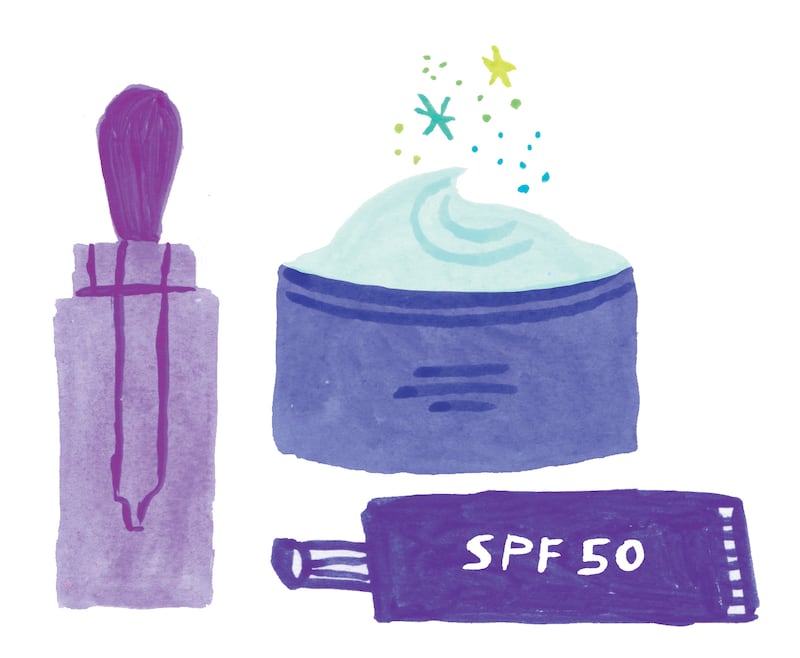
The transition from the warmth of the summer months to the cold, dry air of winter can be difficult on skin, and can lead to skin dryness and cracking. For people with skin conditions such as eczema and rosacea, winter can be a particular challenge. Agnes Gajewska, a skin therapist and facialist to Ireland’s A-listers, recommends transitioning skincare along with the season. “It’s very important to upgrade barrier-repairing ingredients such as ceramides, hyaluronic acid and scale back active ingredients if your skin is irritated.” Giving extra attention to vulnerable areas like lips and hands, which are continually exposed to the cold, is key. “Don’t skip SPF,” says Gajewska – Ireland’s UVB rays are most intense between the months of May and October but UVA rays are present all year round.
Lymphatic drainage
The cold weather and less physical activity can cause the lymphatic system to slow down, leading to feelings of sluggishness and a puffy look. Gajewska recommends dry body brushing and doing daily bunny-hop jumps to unblock lymph nodes. She also suggests doing a daily facial massage with fingertips or a gua sha tool to keep things moving. “Light pressure upward and outward on the face down toward the collarbone encourages facial lymph drainage.”
Sky sparkles
The longer and darker nights mean more opportunities for stargazing. Winter also has the clearest skies, due to the low humidity, so stars both shine brighter and appear sharper. “If you are lucky enough to have a telescope or binoculars, then definitely pull them out this winter, but even with the naked eye you can see a lot,” says Sadhbh Leahy, education and public engagement officer at DIAS Dunsink Observatory.
“In December, we will be treated to the Geminid meteor shower. The peak of the meteor shower will be around December 14th, but the meteors will be visible for about a week. If you’re patient, you will be treated to many meteors shooting across the sky as bright streaks.” Leahy recommends magie.ie for forecasts and alerts of when there is a high likelihood of seeing the aurora borealis, spectacular light displays from Ireland.
This too shall pass

As Christmas turns into new year and January becomes the longest month of the year, winter can feel interminable. It’s a time to remember “Ní bhíonn in aon rud ach seal,” a seanfhocail that Edel Heeran quotes in her book, meaning nothing lasts forever. This winter, like every season before it, will pass. Spring, with fresh shoots and possibilities, will come in its own time, so for now enjoy the cosy, the space the darkness can bring and the light it promises in return.