Be warned: reading chef Mickael Viljanen’s description of Chapter One’s signature potato dish on an empty stomach might be a punitive experience.
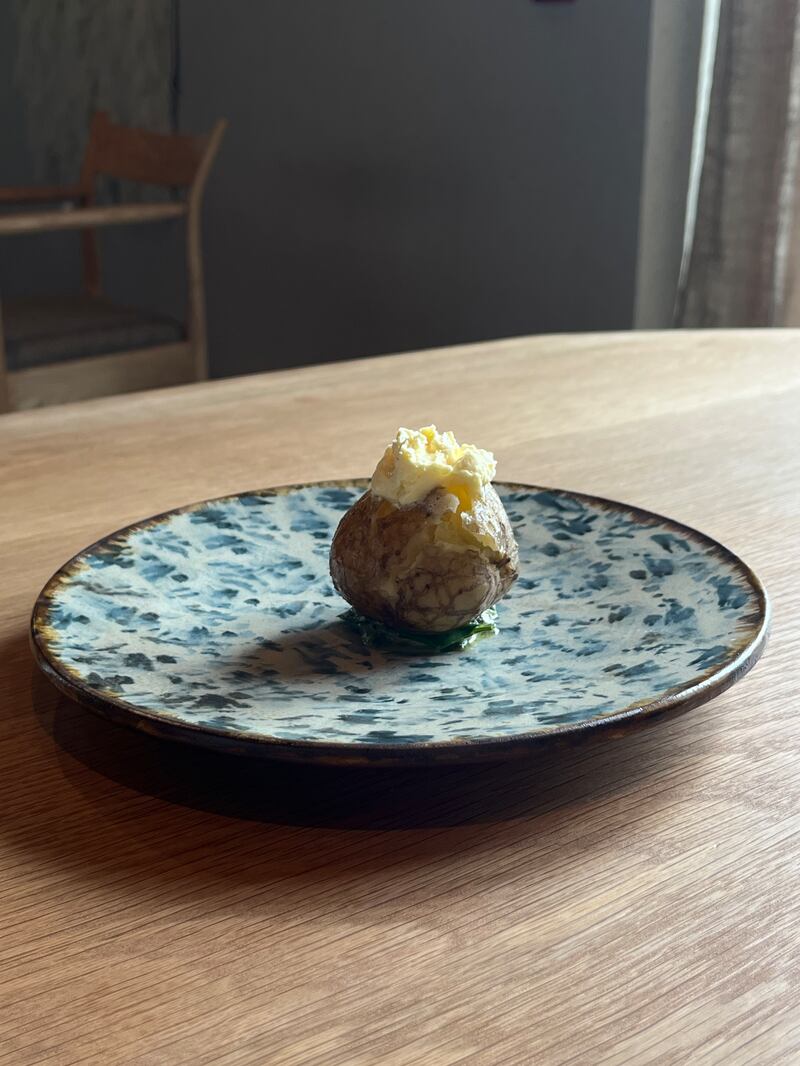
The mashed potatoes on the two Michelin-star restaurant’s lunch menu are made “a little bit special” by flavouring them with vin jaune, the distinctive yellow oxidised wine from the French Jura Mountains.
The unpeeled potatoes are baked whole on coarse sea salt, then the flesh is scooped out, pushed through a fine sieve, and emulsified with milk and so much Kerrygold butter that it equals 40 per cent of the potatoes’ weight.
To finish, the spuds are seasoned with salt, white pepper and nutmeg.
RM Block


Viljanen puts it simply, “Potatoes are an essential part of Irish kitchens in homes and restaurants. They are part of the culture here.”
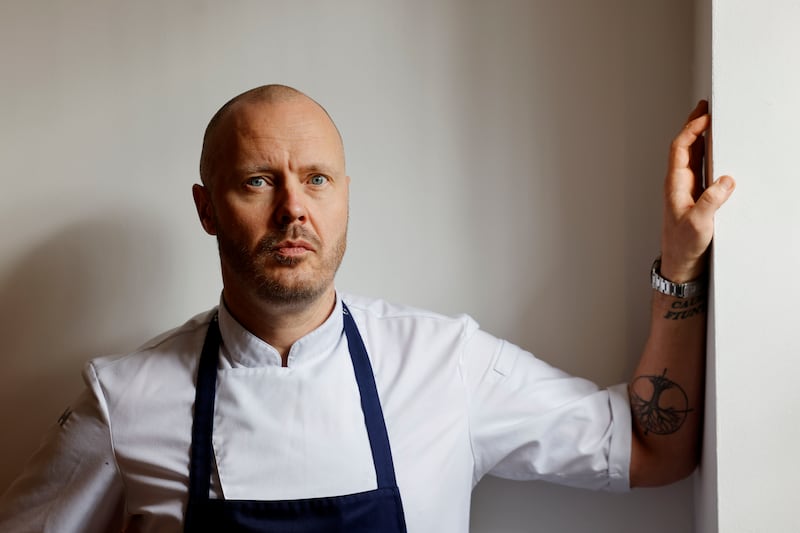
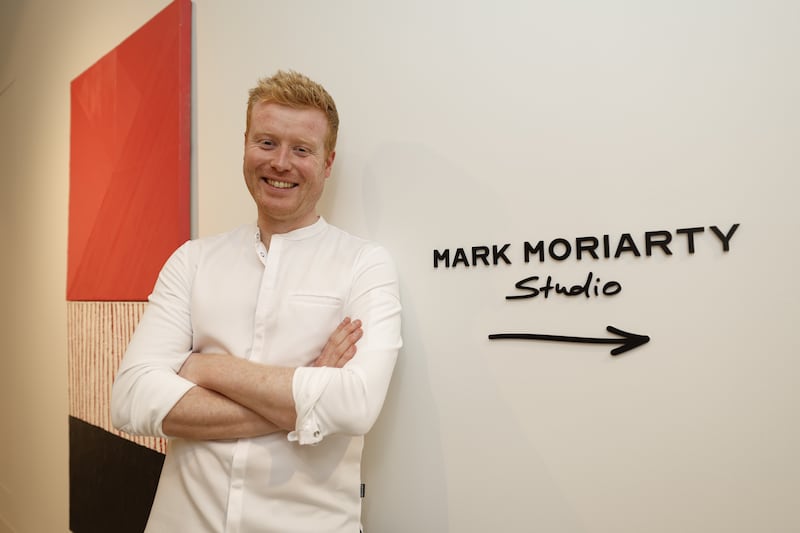
The promotion of the humble spud to a premium product stands in stark contrast to a time when potatoes were forced into epicurean exile in high-end kitchens. In the late 1990s and 2000s, ambitious chefs were trapped in the mould of molecular gastronomy and potatoes didn’t have a strong argument amid gels, foams and liquid spheres. But the era of “cheffy tricks”, as chef and Irish Times columnist Mark Moriarty calls them, is over. Over the past decade, cooking that showcases whole ingredients has taken its place, and potatoes have dug in.
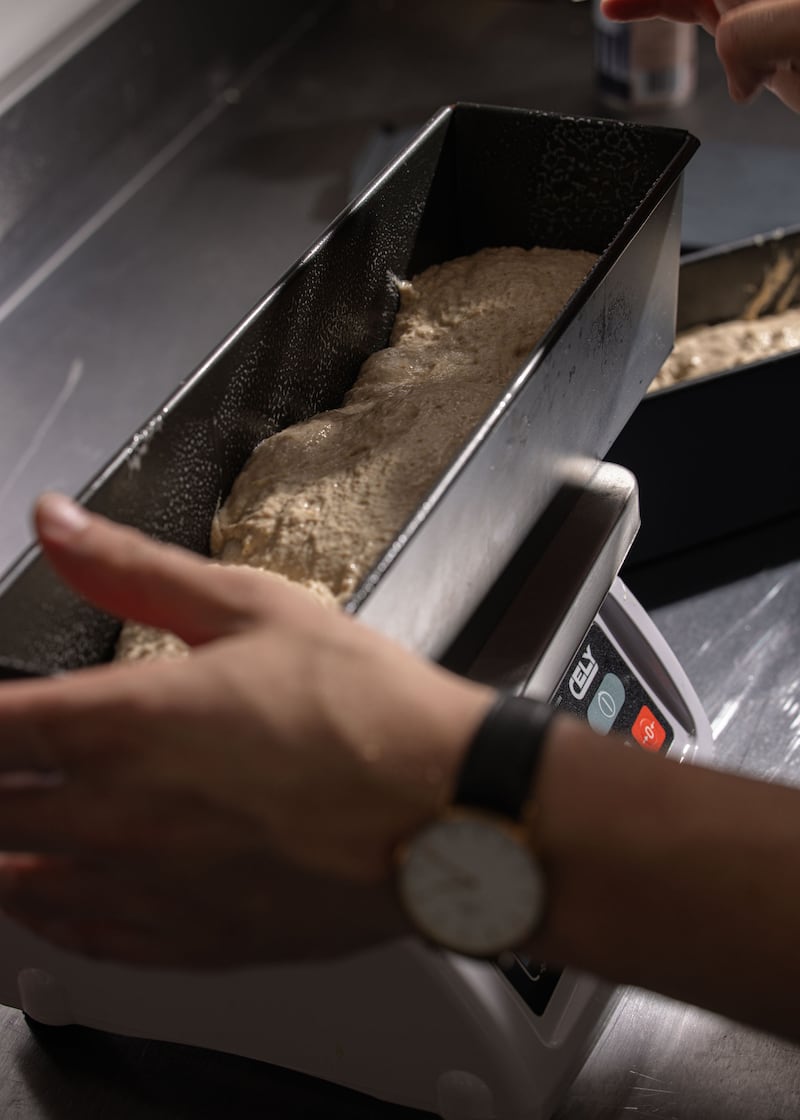
“It’s back to what it would have been like in the 50s and 60s, where the real skill of the chef is not being able to produce a sauce; it’s being able to work with suppliers to find really good produce that they can deliver consistently,” says Moriarty, whose baked potato sourdough is “flying out the door” in his new venture in Wilton Park, Dublin 2.
Some of the most high-profile chefs in Ireland are now transforming tubers from a purely functional carbohydrate into a delicacy. They are taking them from a side dish to the main event. The apex of this championing is on show at Ómós, chef Cúán Greene’s Abbeyleix restaurant, where an entire course of the €175 tasting menu is devoted to a single potato. Cooked in salted water with the garden herbs lovage and mint, the new-season potato is served with a scoop of fermented butter made on site.
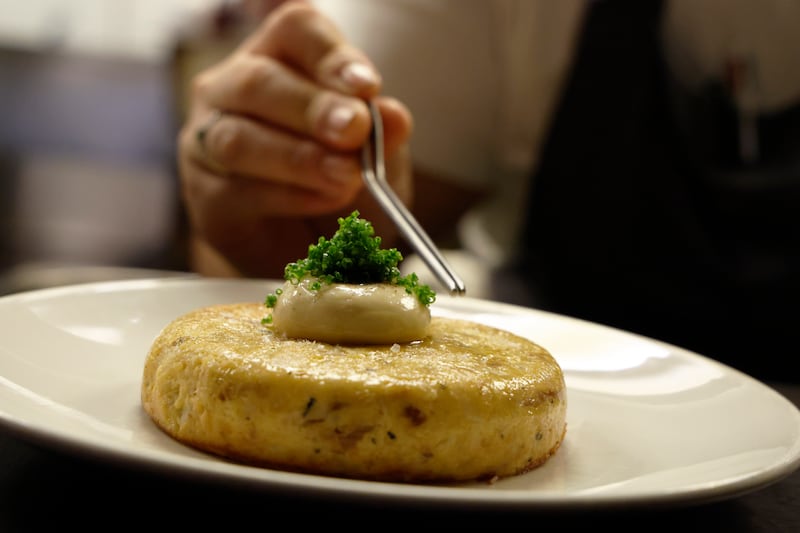
“They’ve gone from being the thing on the plate that was almost taken for granted to something chefs are now treating with a lot more respect,” says Paul McNamara, head chef at Uno Mas, where a Spanish tortilla made with a waxy Irish potato is the most popular dish on the menu. McNamara, like other chefs, credits the spud’s renewal to producers who have moved away from the commercially dominant varieties of Queen, Rooster, Kerr’s Pink and Golden Wonder, and begun growing speciality and heritage varieties. “People are much more interested in the variety, the flavour and how you cook them,” says McNamara.
And for chefs wanting to make a statement with potatoes, Ballymakenny Farm has become a go-to grower. Ten minutes north of Drogheda, Ballymakenny is busy on a Saturday. It’s the only day of the week that Maria Flynn, who owns and runs the farm with her husband David Flynn, opens her drive-through shop. Cars pull in every few minutes, and Maria is up and down, chatting and cooking different varieties for people to try. From a little shed, she emerges with steaming bowls of the farm’s signature Violettas, lemony Sharpe’s Express and floury Mayan Gold.
“People literally fight over the Mayan Gold,” she says. “It’s probably one of the nicest potatoes I’ve ever had.”
Flynn passes a stick of butter and a shaker of salt around a picnic bench table as she tells the story of how Ballymakenny went from being a potato farm at the “bottom of the rung” to supplying Michelin-starred restaurants and “making spuds sexy again”.
When she married into the Flynn family, the farm was growing 200 hectares of mostly Roosters for supermarket shelves.
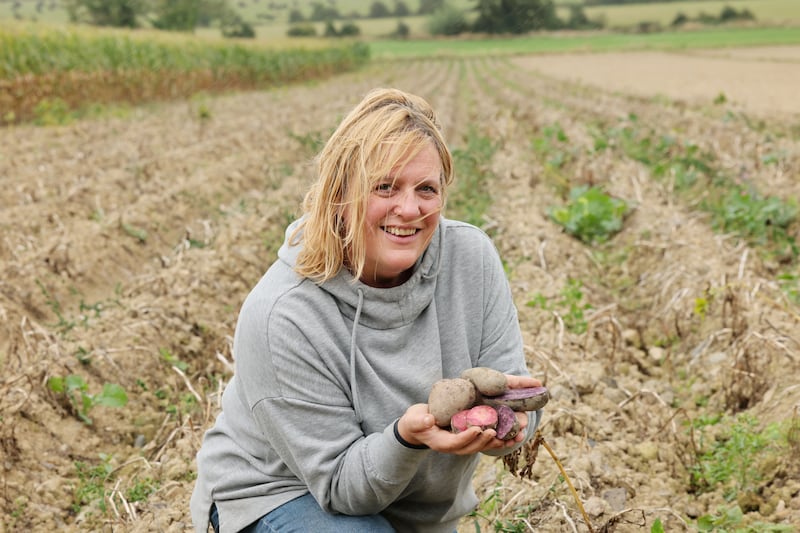
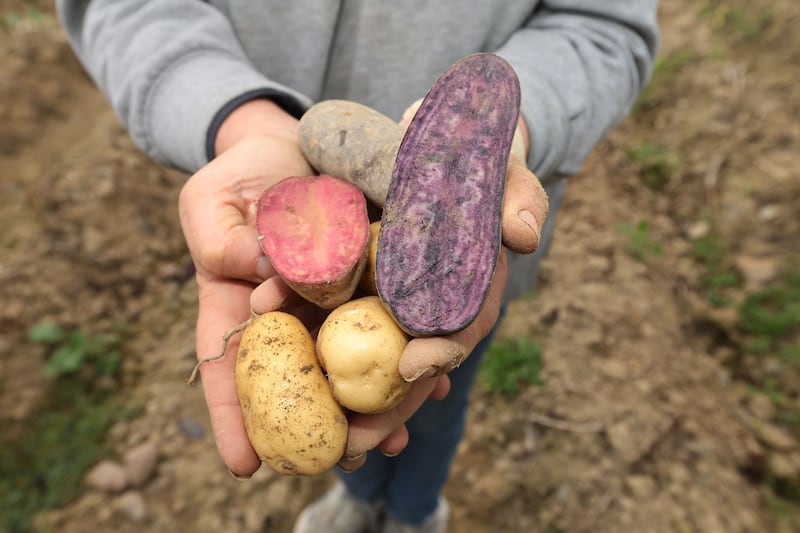
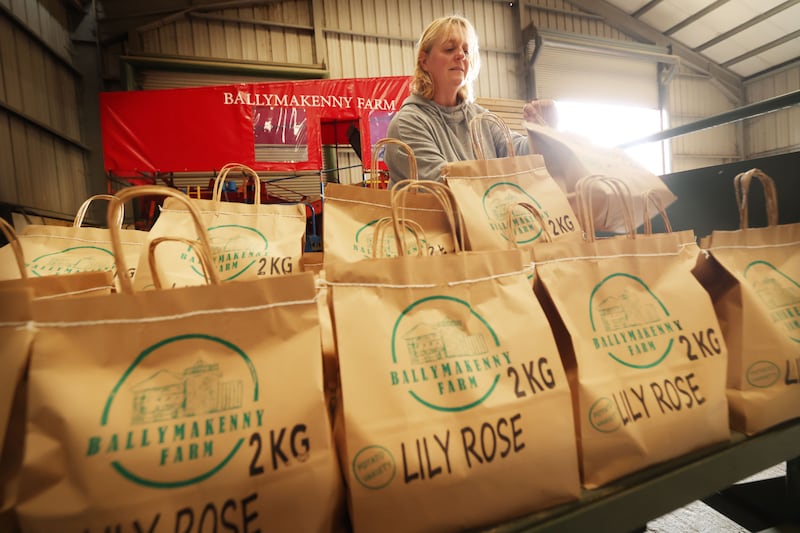
“The supermarket model never made sense to me. We were working our arses off 24/7, building debt, and it just wasn’t sustainable financially,” she says, recalling that she didn’t feel she could be the one to call time on a multigenerational farm. “I just needed something for my own head, so when David was ordering seed one year, I asked him to order some for Violettas too. I had tried them when I was living in London.”
This was 2015, and while the family farm continued to struggle along with Queens and Roosters, Flynn started posting on social media about growing speciality and heritage potatoes, showing both the hardships and the successes. She began to build a following, particularly among professional chefs. Restaurateur JP McMahon and cookbook author Tara Walker were two of Ballymakenny’s earliest supporters.
“At the time, if an Irish chef wanted to use a purple potato, they would have had to import them from France. It really brought something new that we were doing it in Ireland,” says Flynn.
As interest ramped up, the Flynns realised the purple tubers weren’t a hobby but a business worth committing to. The couple worked to build relationships with chefs, driving up and down the country with samples for them to experiment with.
“We hit it at a great time,” Flynn recalls. “Prior to us doing this, you would very rarely see even the name of a variety of a potato on a menu anywhere in Ireland. I would like to think we’ve played a small part in changing that over the last few years.”
Nearly 11 years have since passed, and Ballymakenny now grows up to 17 varieties of potato in a year, distributing to hospitality through La Rousse Foods and directly to consumers through the farm shop, and through a partnership with Marks & Spencer, which stocks its heritage potatoes in Irish stores.
“We kept thinking that it was going to slow down, that the shoe was going to drop, but it just keeps getting busier,” says Flynn.
Irish people’s connection to potatoes is long established, and few plants have been as “central to the destiny of the nation as the potato has been to Ireland,” as Máirtín Mac Con Iomaire, the chef, culinary historian and TU Dublin lecturer, has written. By providing a cheap, high-yielding, and nutritious food source, the potato helped transform Ireland from a thinly populated island of 1 million in the 1590s to 8.2 million in 1840.
Before the Famine began in 1845, Ireland was the most densely populated country in Europe, and its people were fuelled by potatoes. Adult male labourers are estimated to have consumed around 5kg of potatoes a day (people in Ireland now eat a comparatively meagre 85kg a year), supplementing their diet with butter, buttermilk, salt, onions, occasional bacon and salted herrings. To make the vegetable go further, tenant farmers developed a method of parboiling them so the exterior was soft, but the core undercooked. Called “potatoes with the moon,” for their halo appearance, the partially cooked spud was digested more slowly, with the benefit of staving off hunger for longer, as folklorist William Wilde recorded in 1854.
Few of the varieties of potatoes that Irish people were cultivating before the Famine are familiar today. The Cluster, the Irish Apple and the Red Nose Kidney were all popular before the blight destroyed crops. Most infamous is the Lumper, a widely grown strain that promised excellent yields in poor soil. It had no resistance to blight and was wiped out in the first years of the Famine. Generally described as a hulking, knobbly mass with a soapy taste, the Lumper is thus largely unknown to modern palates.
[ How to get the best out of your potatoesOpens in new window ]
This ugly reputation is what led to Michael McKillop, owner of potato supplier Glens of Antrim Potatoes in Cushendall, Co Antrim becoming interested. He began experimenting with Lumpers and, after finding he liked the taste, started growing them commercially in 2013. McKillop is among the cohort of potato enthusiasts, from chefs to growers, who have been pushing Ireland’s number one vegetable into new terrain, not denying Ireland’s past but working to marry it with the present.
“Potatoes are so synonymous with Irish culture, and sometimes we brush it off, but I think the time has come now that we are really owning it,” says Richie Wilson, the culinary director of Fire at the Mansion House and Sole Seafood. The grandson of a potato seller in Smithfield Market, Wilson paid close attention to the viral potato videos that started appearing in his social media feeds over the past two years.
Potatoes, in particular baked potatoes, heaving with toppings, have become social media sensations. It’s a nostalgic comfort food trend that arguably began with the England-based SpudBros, a family-run jacket potato business that regularly posts videos of people queuing for hours for one of its spuds to some five million followers across Instagram and TikTok. Inspired by his own connections to the vegetable and the traction online, Wilson landed on potatoes as a main event when he was designing the menu for Sally Mac’s, the new pub on Baggot Street in Dublin 2.
“We wanted to go down the Irish route for Sally Mac’s but didn’t want it to be Irish stew, or anything twee,” Wilson says. “Potatoes are so synonymous with Ireland, and you hear people slagging the Irish off for it. But we are saying it’s deeply ingrained in our history, why not own it? Yes, we are known for potatoes and here is what we are going to do with them.”
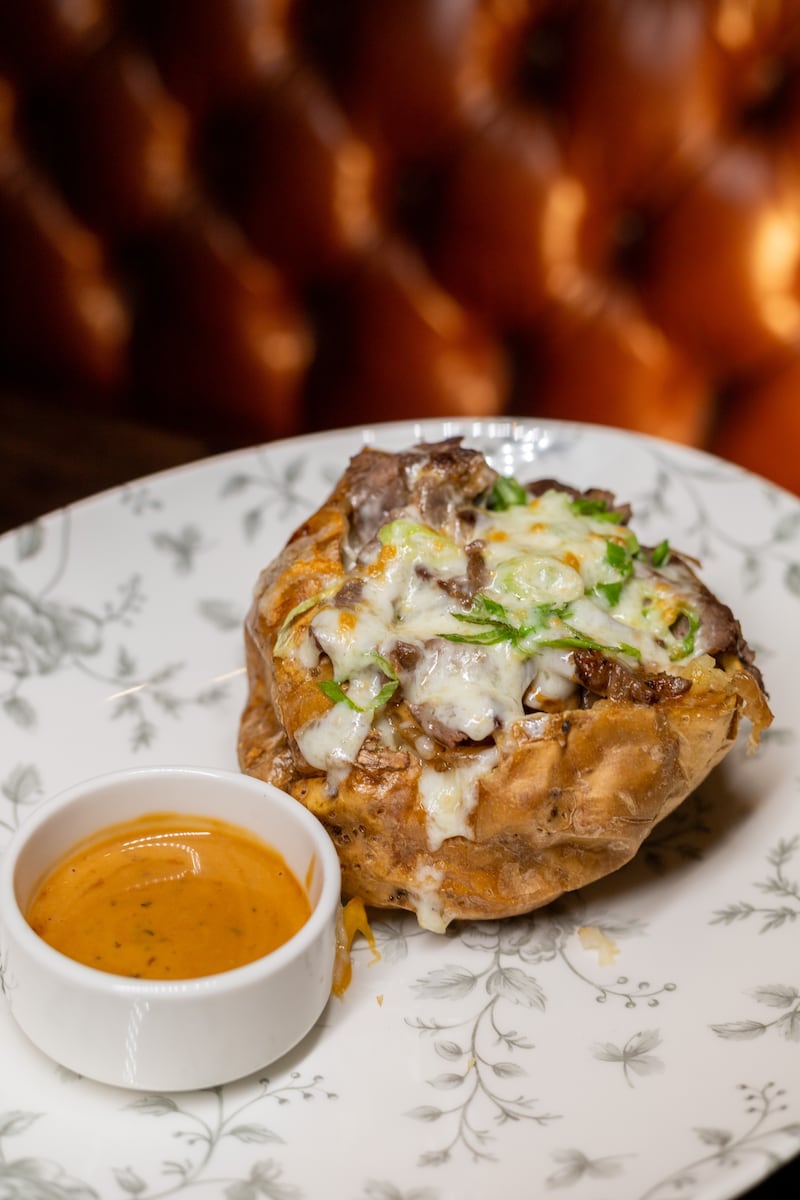
Sally Mac’s is now serving a Dubliner Spud with grilled pork sausages, mature cheddar, scallions and gravy, and a Steak Spud with pepper cream, provolone cheese and crisp onions. Spuds loaded with baked beans and tuna mayonnaise, which are wildly popular in Britain, are a hard line for Wilson. “There’s a lot on social media that can inspire, but there’s no way I could bring myself to that. It is sacrilege.”
With such fervour now surrounding potatoes in certain pockets, from high-end platings to pub grub, it’s harder to remember the time when potatoes seemed to fall so far down the shopping list that Bord Bia launched a €1 million marketing campaign, co-funded by the EU, to zhuzh up the spud’s image. In 2012, the retail sales of potatoes in Ireland recorded their lowest volume ever according to Kantar World Panel research, and the fall-off was particularly strong among young women. Low-carb, high-fat diets, including paleo and ketogenic, were popular at the time, and the carbohydrate-dense potato lost its healthy status.
[ ‘Good looks aren’t enough for potatoes. They’ve got to taste delicious.’Opens in new window ]
Food and eating habits go in cycles, so whether it was the Bord Bia campaign featuring an anthropomorphic flirtatious spud, with an eyebrow cocked and slogans that included “looking for fat-free and easy? You just got lucky”, that brought the potato back to the table, or a combination of factors, spud sales rose and stabilised. For small growers selling from the farm gate and experimenting with different varieties, the increased interest in potatoes over recent years has been noticeable.
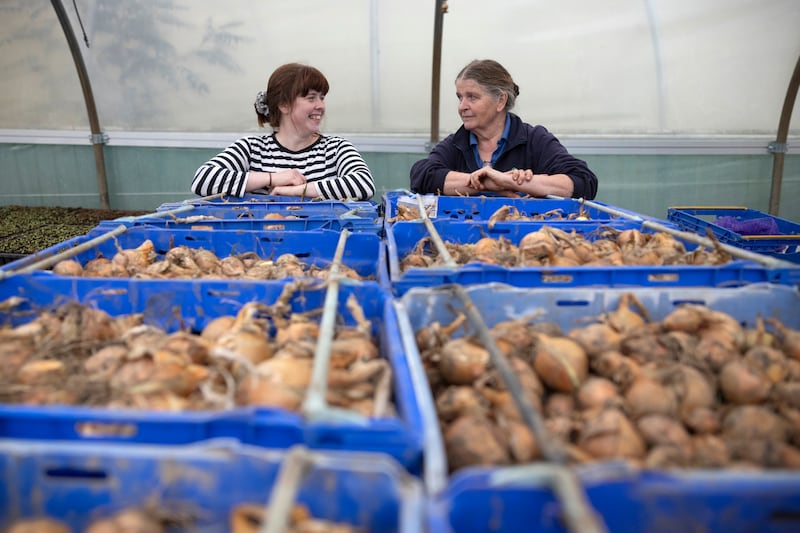
“By the amount of potatoes that we are selling, I’d say people are having them three or four times a week, whereas it was once or twice a week,” says Jenny McNally, the master grower and matriarch of the organic McNally Family Farm in north Dublin, whose signature potato is a waxy Orla.
For the commercial growing sector in Ireland, however, meeting that demand is a precarious business. There are ever-rising costs, controlling blight is a complex issue, and the extended periods of heat and drought are causing crop stress and yield deficits. The Lumper revivalists, Glens of Antrim Potatoes, a family business in operation since 1972, was placed into administration in late September this year. The rising costs of employment, fuel and machinery were cited as significant factors in the company’s financial challenges.
Even for smaller growers benefiting from renewed demand for speciality varieties the harvest itself presents its own problems.
“We are still harvesting but it is definitely a reduced yield, it’s at least 33-40 per cent less than last year,” says McNally. “The implication for us is that we will run out of store potatoes earlier than anticipated and then we will have none for sale.” Even with the Irish potato’s status in the ascendancy, it always comes down to what the earth can sustain and grow.
Mickael Viljanen’s roast potato
I find roosters great for mashed and roast potatoes, new potatoes great for a salad as they are waxier, and Maris Piper are best for chips. At home I love a good duck fat roast potato. I think people can be too shy with the amount of fat they use when they roast them. Peel the potato, cut to desired size, parboil them in heavily salted water for three to four mins, drain them in a colander and shake for nice fluffy edges. Then heat a metal roasting tray with 1cm melted duck or goose fat (heated to at least 180 degrees) with crushed cloves of garlic, roast them in the oven at 200 degrees and season with sea salt. Every six to seven minutes, flip and turn to caramelise evenly on all sides until they’re golden brown and very crispy. Drain the fat and keep warm in the oven. Delicious!
Paul McNamara’s potato stir-fry
I like using McNally’s Orla potato for this; it’s slightly waxy but also a little floury, so they hold their shape but still get lovely and fluffy. I peel and cut them into roughly 3cm chunks, lightly salt the potatoes, and steam until just soft, being careful not to overcook them. I then let them cool on a tray. It’s okay to get the outside a little ruffled here. It helps them crisp up later. To finish, I sauté the dry potato in a pan with a little olive oil until nicely golden and crisp, add smoked bacon lardons and let them start to colour for two minutes, then add sliced carrot and a little onion. Cook for another two or three minutes until the veg is tender but not soft. Remove from the heat and season with a little soy sauce, parsley, salt and black pepper. Sauté to mix well, drain off any extra olive oil and serve.
Maria Flynn’s Purple Rain potatoes
My favourite way to eat the Purple Rain is to let the potato do the talking. Steam them in their skins until just tender, gently squash them on to a roasting tray, drizzle with good Irish rapeseed oil and sprinkle with sea salt. Roast in a very hot oven until the edges are crisp and golden, then finish with a knob of Irish butter and a scattering of fresh chives. Crispy outside, fluffy inside. The beautiful purple colour makes them a real talking point, so don’t peel them; the skin is part of their character.