US treasury secretary Scott Bessent has blamed Howard Lutnick’s commerce department for failing to ban exports of Nvidia’s chips to Megaspeed, the Singapore-based company linked to an alleged Chinese spy.
The salvo from Bessent threatens to further stoke tensions within the Trump administration over how Nvidia was allowed to export chips to a company linked to Alice Huang, an executive US authorities believe was working with China’s intelligence service.
Asked whether there had been co-ordination in Washington on Megaspeed’s inclusion on the US trade blacklist, Bessent told CNBC on Friday that the treasury had been among several other agencies that were “in favour of putting Megaspeed on the entity list for months”.
“But commerce has the pen ... and you will have to ask them about their internal process,” the treasury secretary added.
RM Block


The comments mark the latest episode in the dramatic unravelling of Jensen Huang’s stewardship of Nvidia, the chipmaker he co-founded that has served as a cornerstone of the AI industry in recent years.
Huang resigned on Thursday after admitting to an extramarital affair with the Megaspeed executive. US authorities have been investigating whether the Singapore-based company has been involved in smuggling Nvidia chips into China.
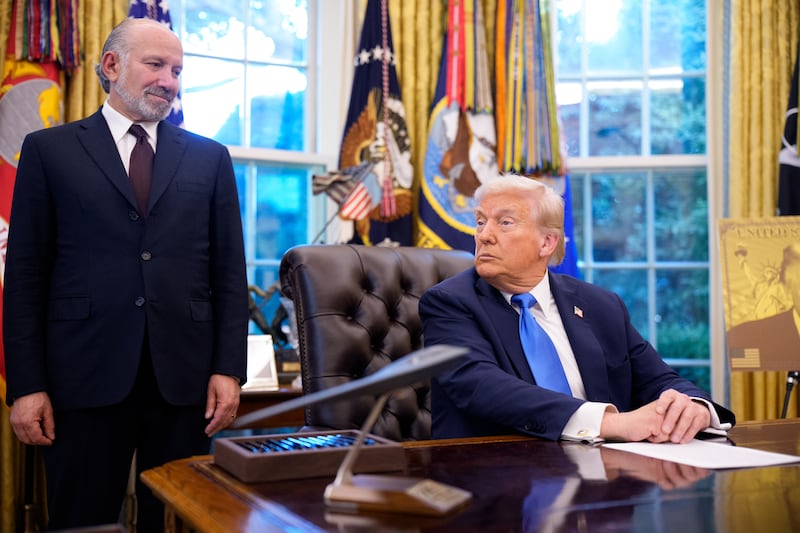
The scandal has ignited a blame game in Washington, with Lutnick in particular coming under growing pressure from both sides of the political aisle.
Outraged Republican legislators have called for the commerce secretary to testify before US Congress, while top Democrats demanded that he preserve documents related to the case for investigations.
Earlier this week, the Financial Times reported that the commerce department had delayed efforts to add Megaspeed to Washington’s blacklist of companies the US considers a risk to national security.
Asked about reports that he had confronted Lutnick on the issue, Bessent said on Friday: “We don’t repeat conversations in the Situation Room.”
“I am frustrated when President Trump made it very clear that China should not receive any Nvidia chips above H100s, and so any leakage is very frustrating because it hurts our great companies, and the AI race gives the Chinese an advantage,” he added.
“I think we have all the authorities that we need,” Bessent said, referring to US chip export controls. “They just need to be implemented.”
Lutnick did not respond to a request for comment about Bessent’s remarks to CNBC. Asked on Thursday about speculation that he may leave the Trump administration, the commerce secretary said this was inaccurate and called the rumours “silly”.
US companies require licences from the commerce department to export goods to companies on the so-called entity list, as part of Washington’s attempt to stop cutting-edge technologies falling into the hands of the Chinese military.
The renewed pressure on the Trump administration from lawmakers comes just a week after Republicans lost control of both the US Senate and House of Representatives in the midterm elections.
Lutnick, a former chief executive of investment firm Cantor Fitzgerald, has overseen many of Trump’s most contentious trade war tariffs, including steep duties on steel, copper, aluminium, lumber and cars.
Bessent also raised questions around whether Nvidia knew its client and whether it made a “robust effort ... to make sure that there was no leakage”.
“It’s important that anyone at the company there be held accountable for that,” he added. – Copyright The Financial Times Limited 2026