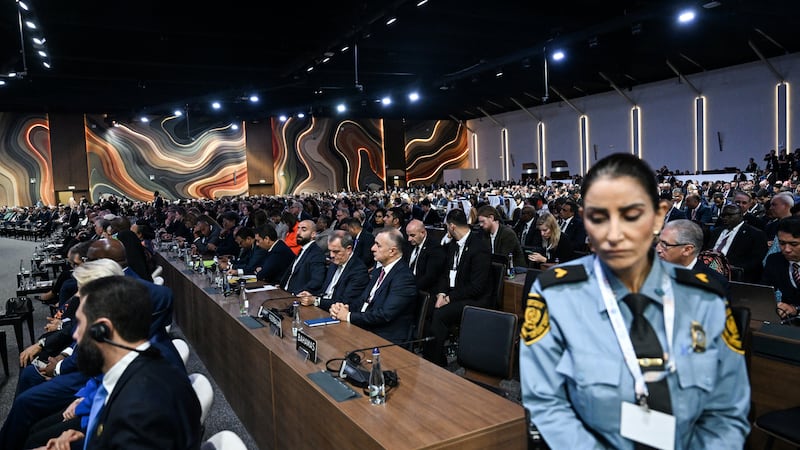
The agreement in last week’s Abu Dhabi talks between Ukraine and Russia on a 1,000-strong prisoner swap – not the first – was the only concrete move that materialised from the disappointing first face-to-face meeting in nine months. It nonetheless has set off a flurry of speculation about what happens next.
The US mediators, Steve Witkoff and Jared Kushner, reported to Ukraine’s president Volodymyr Zelenskiy in Dublin on their way home, confirming that Russia was showing no sign of moving from its maximalist position on ending the full-scale invasion, now in its fifth year, though it may now be willing to accept a European seat at the negotiating table.
US support for European involvement was a welcome shift. It acknowledges that Washington cannot cut deals with Russia on lifting sanctions, returning frozen assets, reducing arms supplies to Kyiv, or reconfiguring European security structures without the active engagement of Europeans. It is worth noting that until recently the US was quite content to negotiate directly with Russia, without even a Ukrainian presence.
Vladimir Medinsky, Moscow’s lead negotiator, says that “every square foot of land will be returned to Russia one way or another”. Its demands include Ukrainian withdrawal from the part of the Donbas region it controls, as well as two other regions partially occupied by Russia.
RM Block


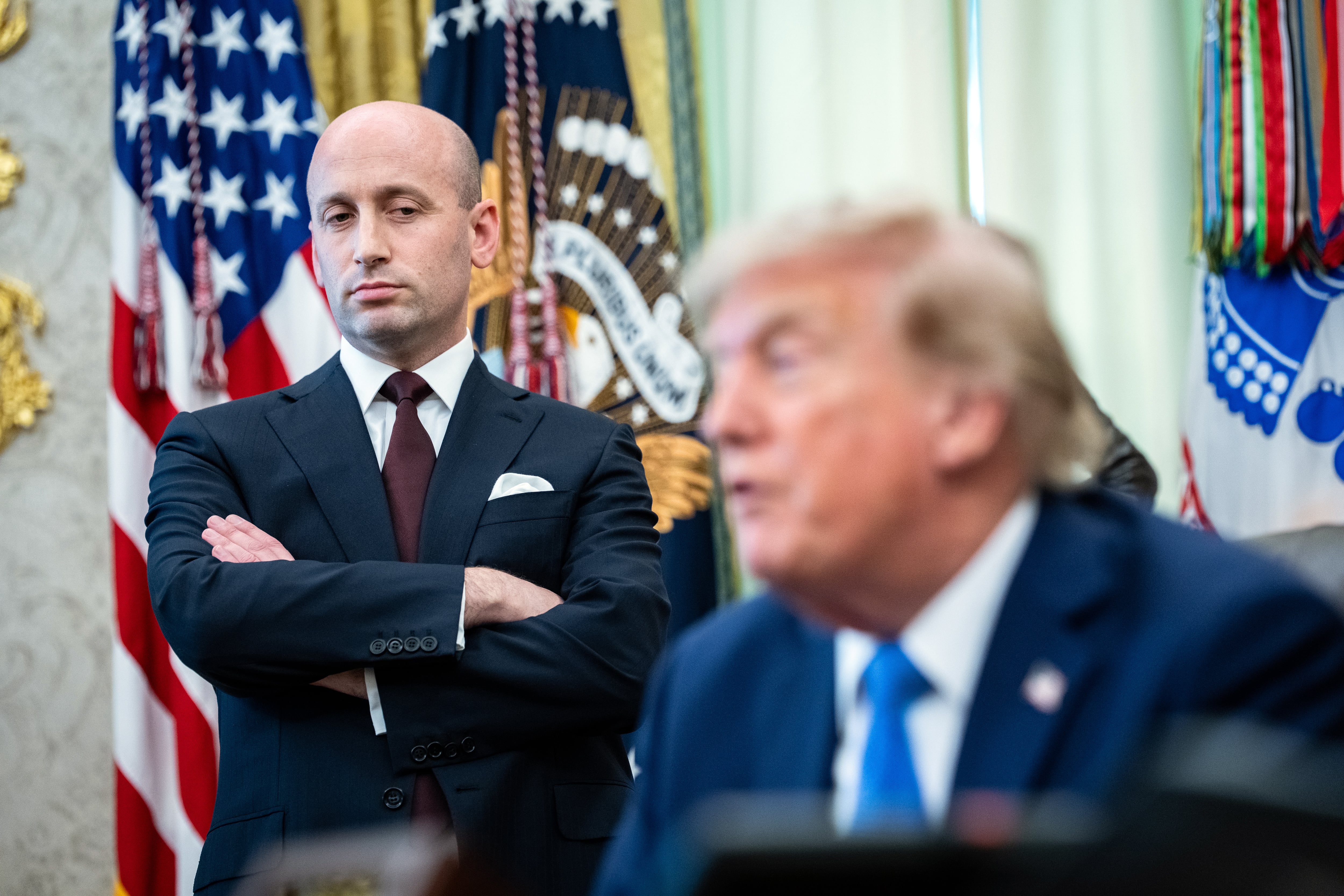
Medinsky said Russia would only speak to European countries “when their conscience awakens” and they stopped supplying Ukraine with weapons. Zelenskiy said US negotiators had floated the idea of a deal under which Ukraine would give up the Donbas in return for it joining Nato.
EU leaders devoted significant time at their Dublin summit to resolving a dispute on who should speak for Europe at talks with Russia. In the end they agreed that the so-called E5 , members of the “coalition of the willing” that backs Ukraine – Germany, France, the UK, Italy and Poland, at national security adviser level – plus the European institutions will represent Europe at any future peace talks.
Smaller member-states had argued that Portuguese president of the European Council, Antonio Costa, should take on the job rather than a collection of larger states. The compromise reflects the union’s inability to move beyond intergovernmentalism, particularly in foreign affairs.
Whether substantive talks involving European representatives can now get underway in the short term remains to be seen. Zelenskiy has said he would put any plan which emerged with strong security guarantees for his country to the Ukrainian people. But first Russia will have to show a willingness to move on its demands, which has not yet been evident. With attacks continuing over the weekend, progress in ending the war remains as elusive as ever.