Of the 797 Unesco biosphere reserves across 147 countries, Dublin Bay is the only one to include a national capital city within its area.
A biosphere designation aims to promote a harmonious relationship between people and nature. The first Unesco biosphere reserves were designated in 1976, with North Bull Island added five years later.
This nature reserve in Dublin Bay originated somewhat by accident, formed from a need to tackle the long-running problem with silting at the mouth of the river Liffey.
In 1825, the Bull Wall was completed at a cost of £95,000 (about €13.46 million today). Along with the Great South Wall, the combined project saw the entry of the Liffey deepen from 1.8m to 4.8m over the following 48 years.
RM Block


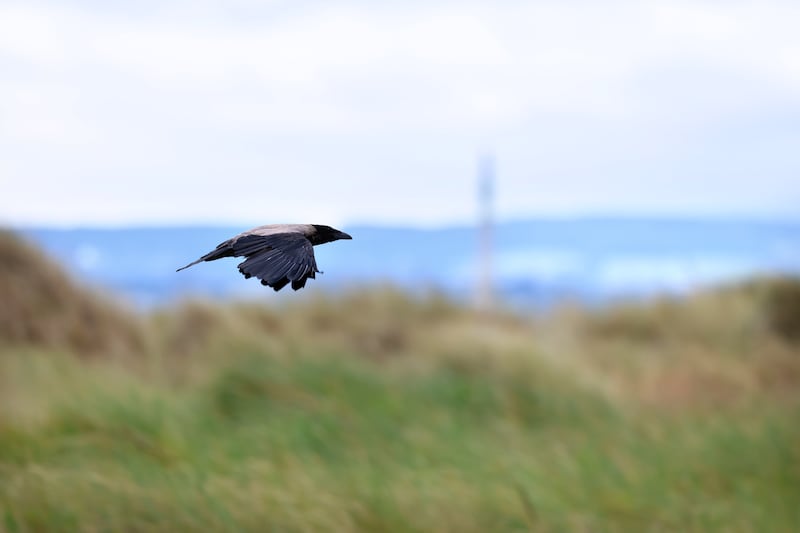
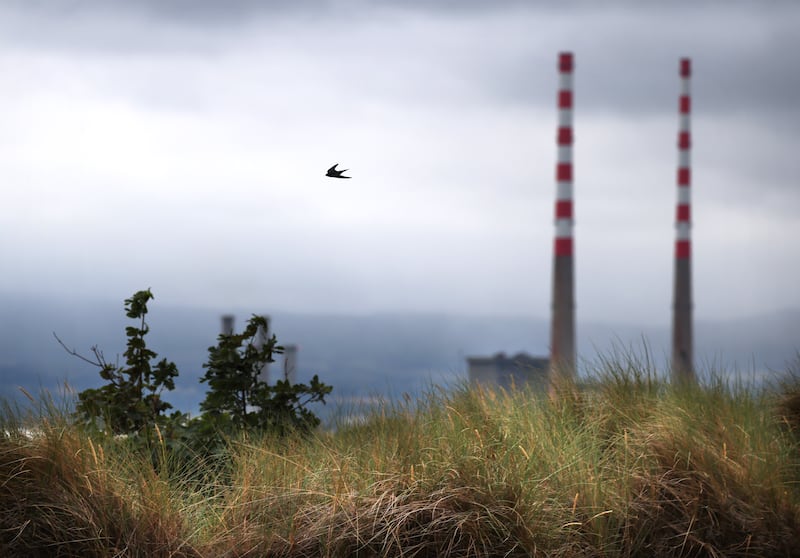
Much of this silt helped extend and create the island we know today, which is now home to 180 different bird species.
In 2015, Unesco extended the biosphere reserve to the entirety of Dublin Bay, running from Portmarnock to Seapoint, encompassing an area of about 300km². This includes Ireland’s Eye, which has 9,000 pairs of breeding seabirds across 11 different species.
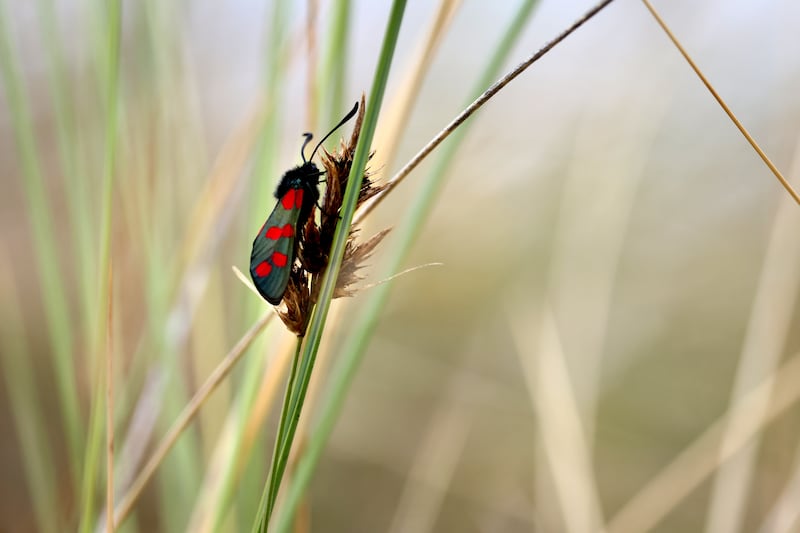
Although human intervention produced one of the countries most prized natural habitats today, human disturbances, over-fishing and climate breakdown are all combining to negatively impact wildlife in the area.
Birdwatch Ireland reports that 23 out of 24 of Ireland’s breeding sea birds are declining in population. Conservationists warn that, as works to stop costal erosion are erected along the coastline, their long-term impact on the ecology and landscape of the surrounding area may be difficult to predict.