

Organisations need to stop obsessing over generational stereotypes and start building workplaces that work for everyone. By now, Gen Z is firmly embedded in the workforce, while the first Gen Alpha interns and apprentices are starting to emerge. Meanwhile, many older workers are extending their careers.
Managing expectations around communication, progression, feedback and flexibility across generations is now a strategic priority. But how can employers create inclusive cultures that work for all ages?
Four generations are now working side-by-side, says Sinéad D’Arcy, early talent strategist and founder of Future Roots: “Baby boomers, Gen X, millennials and Gen Z.”
From a business perspective, the workforce is now structurally multigenerational, says David Burke, senior director of talent acquisition at Workhuman. “Inclusion doesn’t mean lowering the bar or bending rules by age group,” he says. “It means being explicit about contribution and capability, not tenure.
RM Block


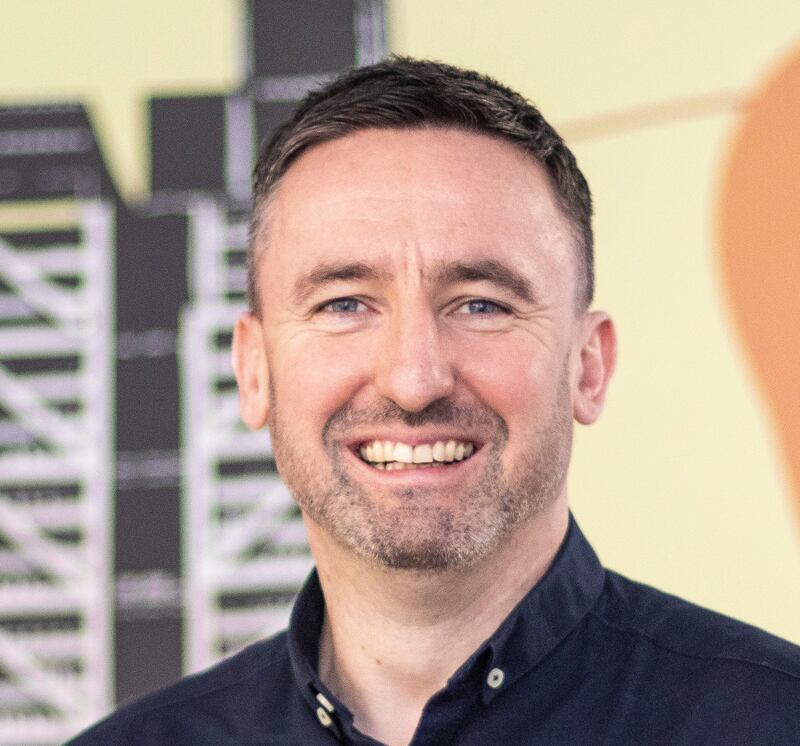
“The companies that will get this right won’t be the ones obsessing over generational labels. They’ll be the ones that are transparent about expectations and serious about internal mobility.”
There is a perception that younger workers lack resilience and will leave an employer at the first sign of difficulty, says Vicky O’Neill, HR strategy specialist, Ibec. However, she argues, “younger workers are highly driven, but they reject the normalisation of burnout. They prioritise purpose, wellbeing, and shared values.
“In fact, young people are deeply passionate about their futures, with a vast majority wanting to pursue careers aligned with sustainability and positive societal impact, provided the pathways are clear.”

When businesses buy into generational misconceptions, it damages talent pipelines, creates intergenerational friction and harms broader economic productivity, O’Neill warns.
Gen Z will make up 30 per cent of the workforce by 2030, and a new generation, Gen Alpha, will be entering at around the same time, says D’Arcy. “These younger cohorts prioritise continuous feedback, lateral skill growth and meaningful contribution over hierarchy or tenure. Baby boomers, Gen X or millennials may equate progression with promotion and loyalty.”

Friction arises when communication norms, progression pathways or performance systems are not clearly defined across generations. “What works well for Gen Z employees is clear objectives, regular check-ins and transparent career progression and growth frameworks. When these are in place, this reduces misunderstanding and increases engagement.”
One of the most interesting developments in recent years is that more senior leaders are having to lead on issues they didn’t necessarily grow up with, says Elaine McGleenan, head of learning and organisational development, KPMG. “This is particularly the case with technology – such as cybersecurity or AI. So, there’s real value in ensuring teams combine both technical know-how and longer-term experience.
“That can’t happen overnight. Staying up to speed on tech is a business imperative, but it’s also vital to ensure your teams have access to training on people skills.”

The practical interventions that tend to work are often straightforward. Reverse mentoring, where younger employees share digital or cultural knowledge with senior colleagues, builds mutual respect and closes skill gaps in both directions.
Flexible working, once seen as a concession, is now a retention tool that appeals across age groups for different reasons. The common thread is psychological safety: people at any career stage perform better when they feel seen, heard and fairly evaluated.
According to the OECD, the global working-age population will fall by 13 per cent over the next 40 years. Extending working lives is a critical element in addressing Ireland’s demographic pressures, says O’Neill. “Retaining older workers alleviates labour shortages, preserves invaluable institutional knowledge and ensures financial security for individuals.”
Yet organisations face the complex challenge of balancing this retention with the career progression of younger talent. “Current and future success depends on having the right leaders in the right roles, in the right place, at the right time.
“Succession management is used by many large organisations to achieve this – yet few have succeeded. The process can be so easily derailed by the impact of self-interest, limited capacity, poor planning and conflicting priorities.”
To address this, a human-centred approach is recommended, involving leaders and workers to co-create solutions, says O’Neill. “Working longer may provide more time for planning for those organisations currently underprepared for succession management.”


