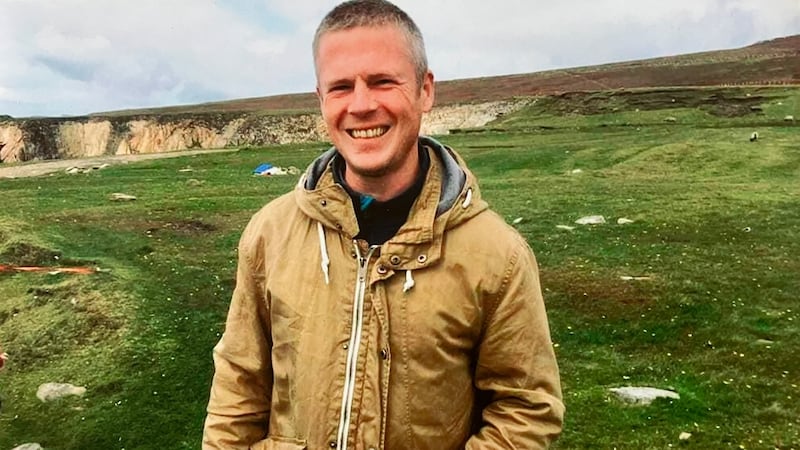
![Dr Mike Ryan: The Irish are ‘not as nice as we think we are. We could do with [...] a little bit more kindness within our society.’ Photograph: Getty](https://www.irishtimes.com/resizer/v2/JRPSR56N2VBDDKNLXMS6AUARBE.jpg?auth=1ed225800906c216816bb6a26600e4c63693e54da8a65e75a8a291d5a279923c&smart=true&width=1024&height=576)
Millions of people in sub-Saharan Africa have already been forced “on the move” by the global climate crisis, with millions more set to follow, former World Health Organisation (WHO) chief Mike Ryan has said.
“The reality is that the poorest people in the world are living in countries where there is no sustainability, there is only fragility. It’s driving migration and conflict,” he told the MacGill Summer School in Donegal on Thursday.
“There’s a massive climate crisis in those countries. It’s arrived. It’s not in five years’ time when we go to above three degrees rise. It’s happening now. A major climate disaster is befalling the people of the Sahel right now.”
Ryan left his role as executive director of the WHO’s health emergencies programme last year, partly on the back of cutbacks in US funding.
RM Block


The challenges caused by wars “will pale into insignificance” compared to the impact climate change will have on “fragile, conflict-affected, vulnerable” countries, he told the annual summer school event in Glenties.
“Two-thirds of the women who die in childbirth will die in [affected] countries. Half the children who die under five will die in those countries,” he said, noting that 2.5 billion people were living in extreme poverty and extreme fragility.

“I don’t support equity and fairness from a religious or a moralistic point of view. I support those concepts from a self-preservation point of view. Equity is a good investment for the future.”
According to Ryan, 7 per cent of the global population will live in Europe and Russia in three decades’ time. Just 5 per cent will be in North America; and 30 per cent in Africa.
“Population dynamics are shifting and changing. Let’s be really smart about this. Those who have least now will have most later. The population dynamics are clear.”
Reflecting on a career in often dangerous places, Ryan said being Irish had always been an advantage. “Being from a small country that has suffered over many centuries; being the small one means that we’re never seen abroad as aggressive,” he explained.
“I found the path for me to be very open. The Irish are perceived very positively abroad. Now, we have our own foibles, and we’re not as good as we think we are sometimes.
“We’re not as nice as we think we are. We could do with applying some of that to our own domestic issues and have a little bit more kindness within our society,” he said, describing child homelessness in Ireland as “an abomination”.
Paying tribute to Irish aid workers, Ryan said they have often been let down by their country when they finally return home. “[They] find it very hard to reintegrate into Ireland. They’re not helped very much in doing that.
“I think they are great ambassadors. If you go abroad and set up a business, you’re lauded. But if you go abroad and give up your life to medicine or to aid, it’s hard to come back.”