Fine Gael leader Simon Harris surprised even his own gathered in the O’Reilly Hall in University College Dublin this summer when he pledged that his party would have “a blueprint for a unified island” ready by November.
The Tánaiste’s language marked a significant change in his interest in a subject. When he took over as Taoiseach in April 2024, he said it was “not where my focus and priority is right now”.
From the off, the report to be published on Saturday afternoon and debated by the Fine Gael ardfheis on Sunday morning in Cork has been handicapped by Harris’s excitable description in the summer.
It will not, in fact, lay out a blueprint for unification.
RM Block


But it is still a significant moment in the unification debate, putting into the mainstream in the Republic the economic and political challenges and opportunities posed and offered by a united Ireland.
[ Why has Simon Harris changed his tune on a united Ireland?Opens in new window ]
It will comprise four elements, including a detailed examination of northern opinion steered by the Ulster University academic Prof Deirdre Heenan and an economic analysis by Prof Stephen Kinsella.
In addition, there will be sections penned by Harris and by the chair of Fine Gael’s Northern Ireland engagement group, Senator Emer Currie, whose father Austin was both a co-founder of the SDLP and a Fine Gael TD.
The Tánaiste’s decision last June to announce the work in a speech to mark the centenary of the birth of former leader Garret FitzGerald surprised even some of those given the task of putting it together.
Led by Currie, the Northern Ireland engagement group has spent months hearing the opinions of the party’s membership and engaging with northern politicians of nearly all hues.
In London, they met the Democratic Unionist Party’s Gavin Robinson and Nigel Dodds. The latter did not engage on unification, but he did offer “robust” opinions about the Republic’s failings during the Troubles.
[ Fine Gael motion to distinguish party from ‘woke left’ rejected for ardfheisOpens in new window ]
However, the northern engagement group’s membership, excluding Currie, has had little or no involvement in the actual drafting of the document – a point that has rankled with some.
The final drafts of the Harris and Currie texts had still not been signed off on late on Thursday, with the scale of the final recommendations still not yet circulated.
So far, the party leadership has decided to keep a close grip on the report, including offering the Fine Gael parliamentary party only the most basic level of detail about its contents.
However, a few things are clear.
First, northern political and business opinion of all hues – with the exception of the hardline Traditional Unionist Voice – were keen to engage. Indeed, they volunteered to speak with Heenan.
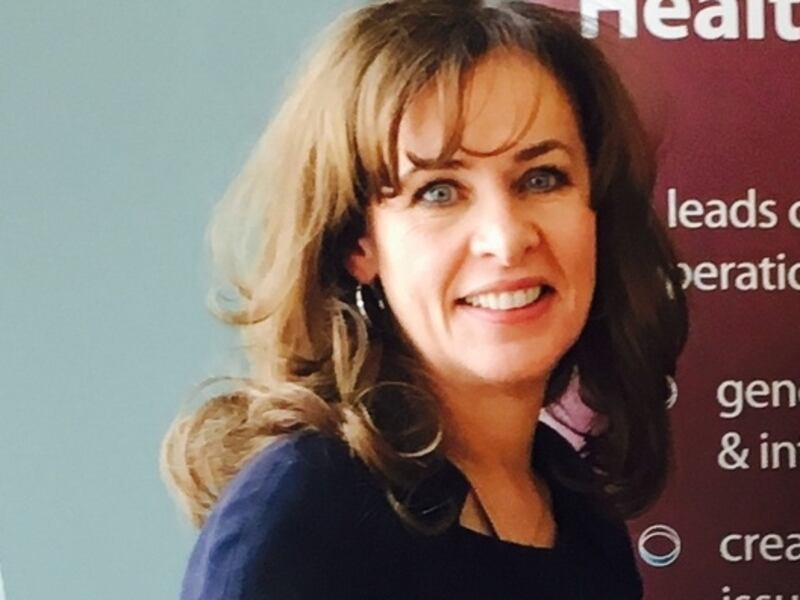
Equally, they did not want “to speak about anthems, flags, or identity”, as one person familiar with the discussions put it; “instead, they wanted to speak about what unification might look like, and how it would benefit people, or not”, the source said.
Clearly, some unionist voices engaged believing that the more people in the Republic encounter the detail of the challenges to be faced, the less appetite they will have for unification.
The debates among Fine Gael members revealed a number of opinions, including those concerned that the party should be seen to accelerate debate on a subject best handled slowly and carefully.
“Some didn’t believe that Harris’s language in the beginning was the wisest, that maybe he and others had lost the run of themselves and that they have set expectations that cannot be met,” one source said.
In addition, rank-and-file members, who debated in Sligo, Wexford, Dublin and elsewhere, believed that the subject of unification must not be left in the hands of Sinn Féin.
[ Is there an identity crisis in Fine Gael?Opens in new window ]
Others believe many northerners doubtful about unity will engage with Fine Gael, but not any other party in the Republic, and that the party has never made enough of its own record.
“We are ‘the united Ireland’ party after all. It’s in our name, it’s in our history,” said one individual who has been closely involved in the work over the past number of months.
However, the document’s drafting has caused irritation.
Speaking on Thursday evening, former Fine Gael MEP and one-time Alliance Party leader John Cushnahan said he still had not seen a final text and he did not believe that anyone else in the group, other than the chair, had either.
Cushnahan has never been in favour of over-eager talk on unification, preferring the slow and steady approach long adopted by the leader of Fianna Fáil, Taoiseach Micheál Martin.
Last week, Martin, no doubt spurred by the impending arrival of Fine Gael’s document, said officials would examine future constitutional options, including Northern Ireland remaining in the United Kingdom.
Saying that he was “impressed” by Martin’s proposals, Cushnahan said “this is a very difficult time for discussing Irish unity” after the recent dispute over the Orange march at Drumcree, when the Belfast Agreement, the 1998 deal underpinning Northern Ireland’s peace process, appeared under threat.
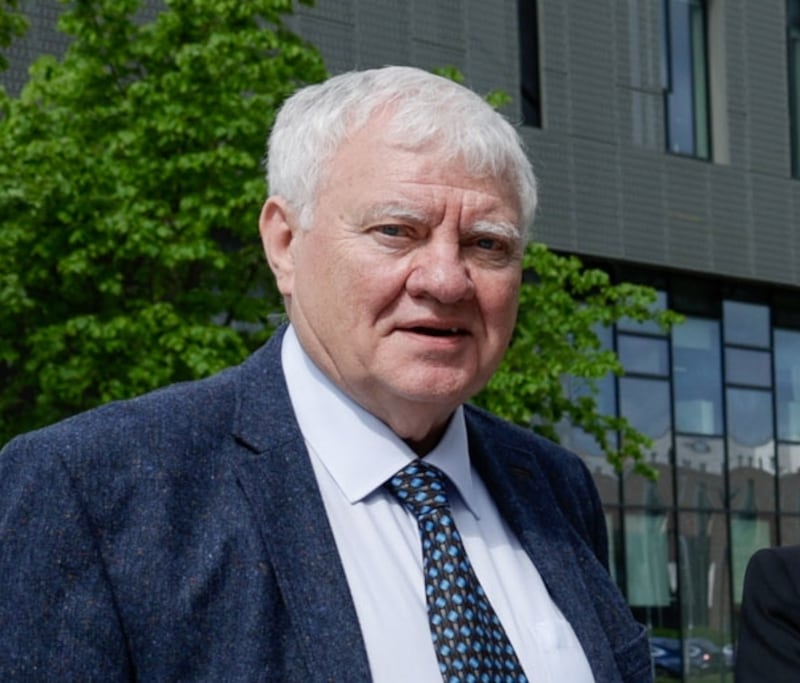
“It might be more prudent for political parties in this part of the island to tone down their discussions on Irish unity. My fear is that the Good Friday Agreement is being undermined,” he said.
“There is still a serious threat to the existence of the project and the Assembly and Executive. I think it might be a more sensible idea if the two main Government parties get together to discuss this issue and come forward with a joint proposal.
“What’s the fallout from Drumcree? The danger is that with unionism in such disarray, it’s not the time to be lobbing united Ireland balls into the court.
“We should concentrate on saving the Good Friday Agreement and saving Stormont.”