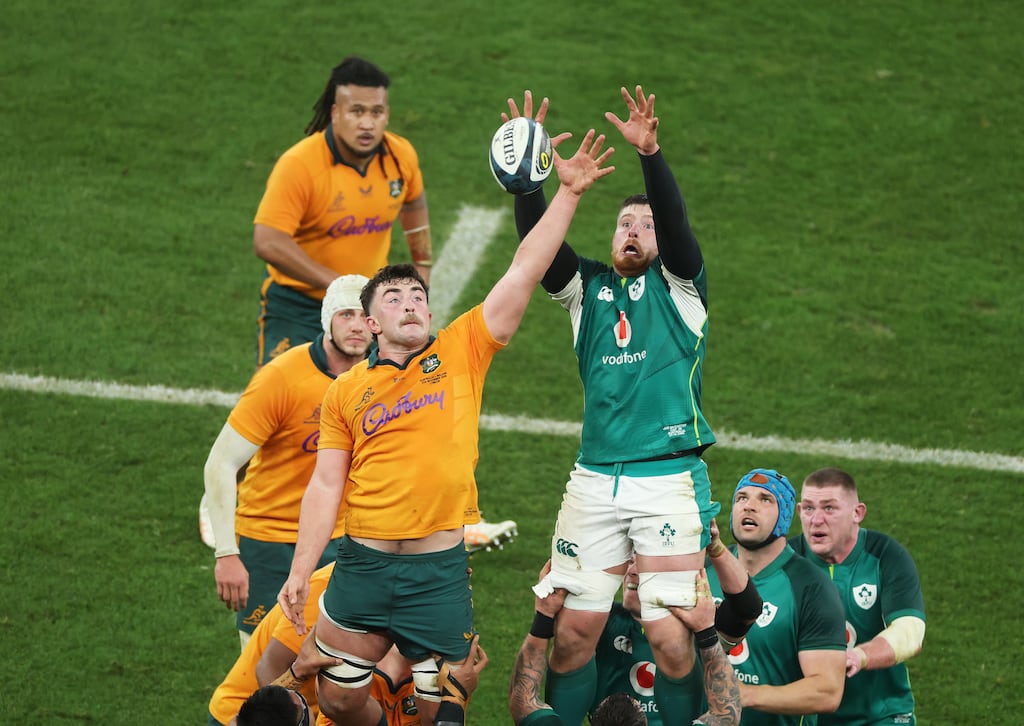

Ireland’s lineout in the opening 40-minutes was a microcosm of their performance - wayward and problematic in lacking that precision. Four throws went astray, two picked off in the air, two more on the ground, as Australia were hungrier for the scraps.
Andy Farrell’s side was just a little ponderous in getting set, and that gave their opponents extra time to read the throw and apply pressure. It gave the Wallabies a consistent supply of possession from which they were able to dominate possession and territory, while at the same time destabilising a key tenet of Ireland’s launch plays in attack.
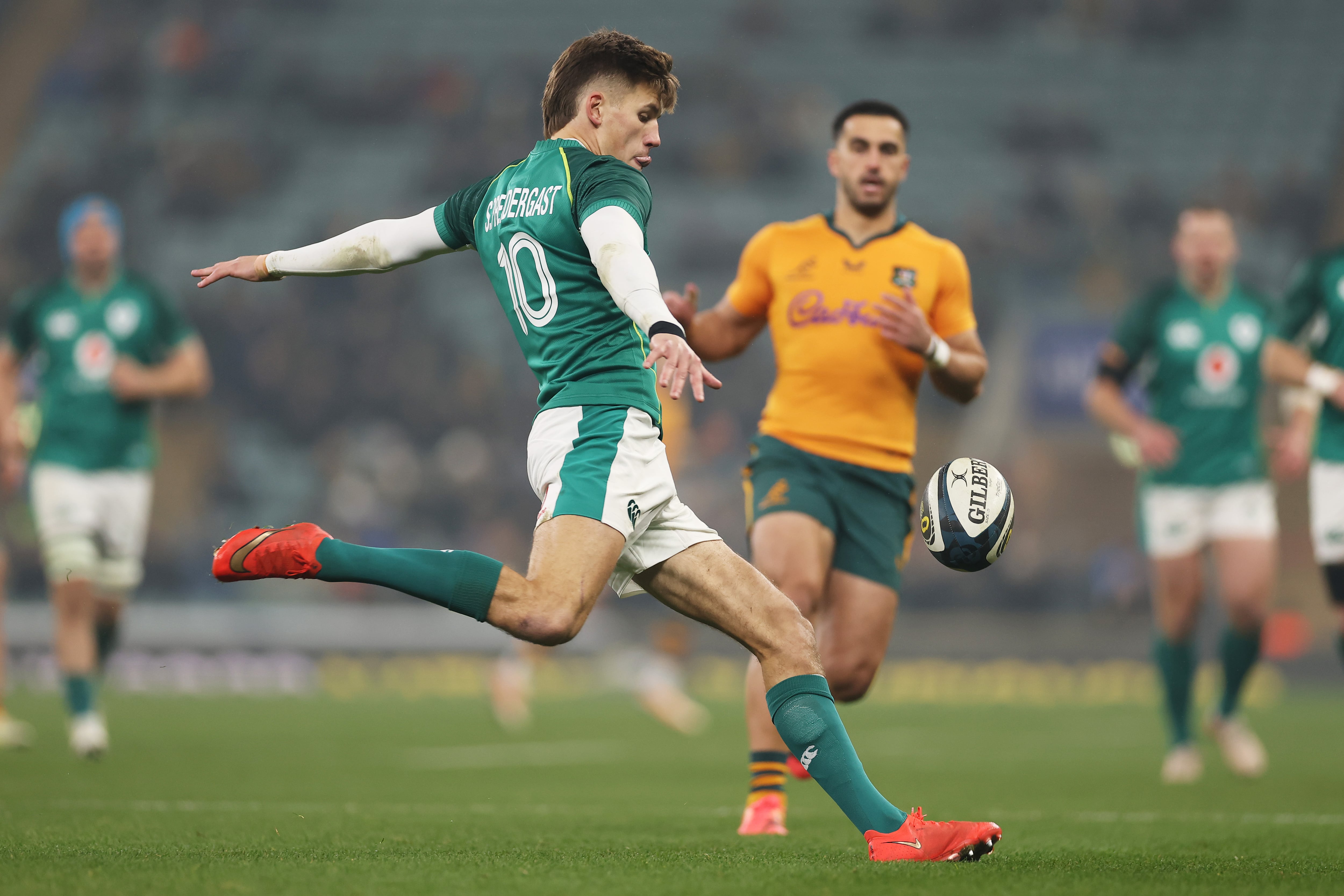
And yet it was the genesis for Ireland’s first try, Robbie Henshaw’s 13th for the national side following nice link play by Nick Timoney, Rónan Kelleher, Jamison Gibson-Park, Sam Prendergast and Stu McCloskey.
Between the 32nd and 36th minutes the Irish lineout wobbled, coughed up two turnovers and another that was salvaged rather than won. The lineout was the starting point again for the Nick Timoney try, highlighting the damage that Farrell’s side could inflict if they retained possession.
RM Block
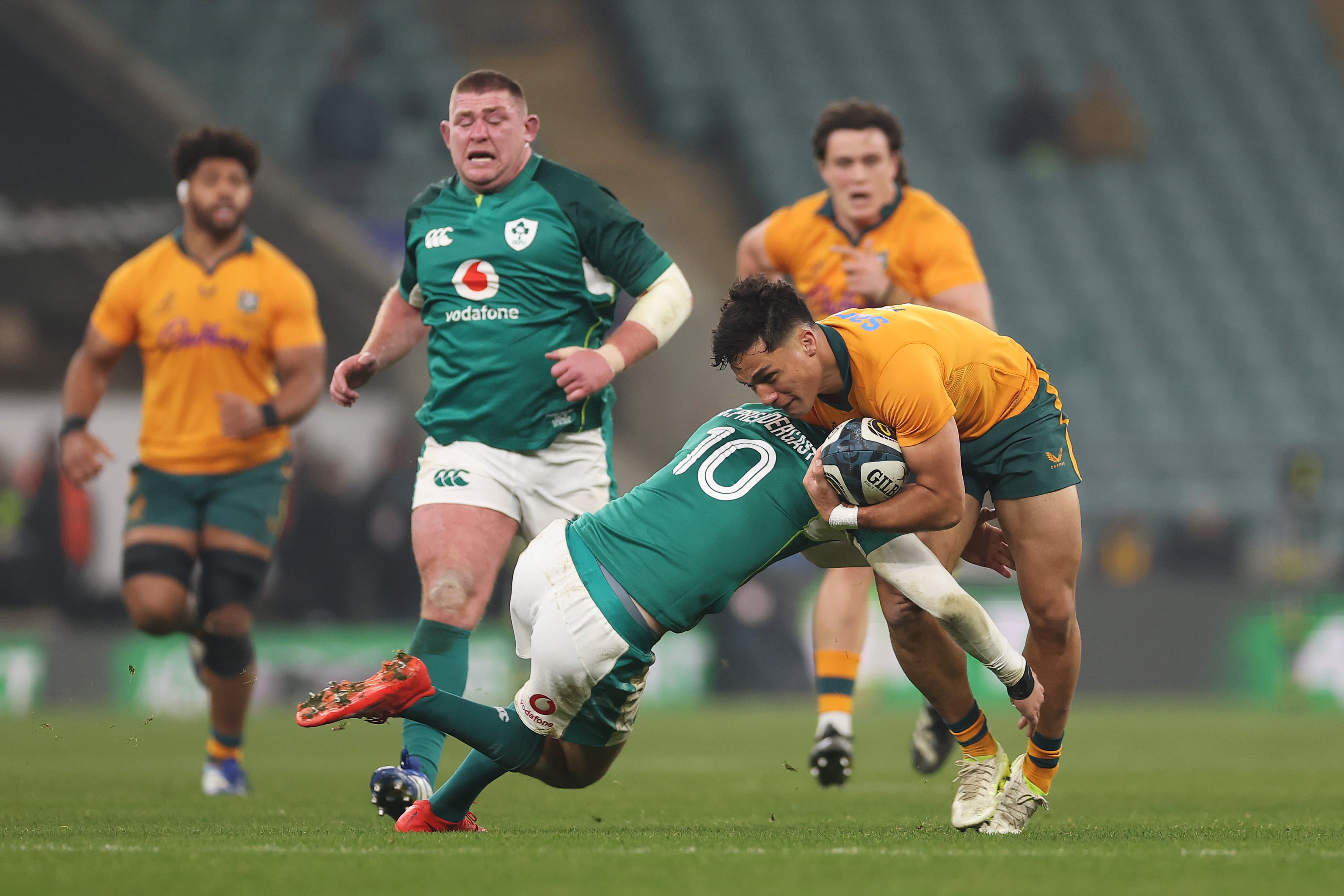


As a spectacle the game was poor, not helped by referee Nika Amashukeli’s reluctance to police the breakdown and ensure that both teams were able to play off reasonably quick ball. The breakdown was festooned with bodies, many not overexerting themselves in rolling away post tackle. He didn’t reward the poacher either, when balls were clearly lifted.
Initially the scrums were a mess, the first three uncompleted - two penalties to Australia and a free kick to Ireland. Ireland’s ill-discipline, turnovers, and the fact that they lost most of the aerial duels kept handing possession back to the Aussies.
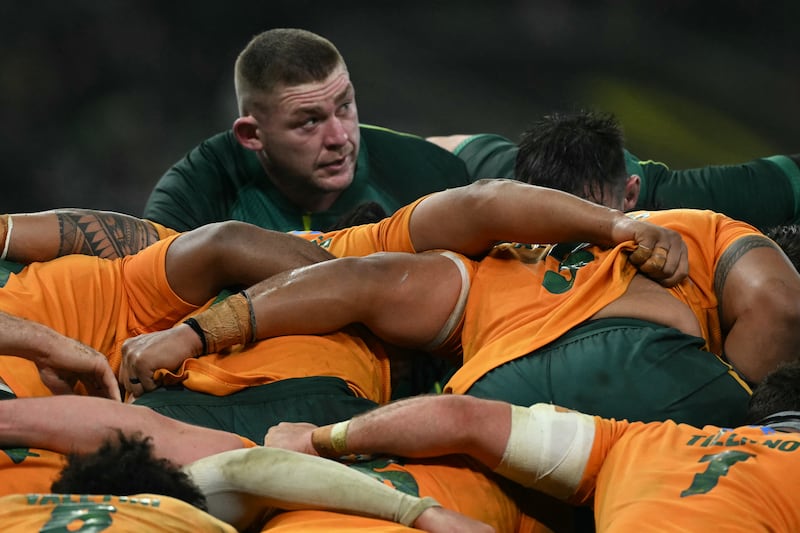
However, and it’s been a characteristic of the group, the half-time recalibration worked a treat. The pack sat down with Paul O’Connell and came up with a solution to the occasional issues; quicker and sharper in the set-up and throw. Ryan Baird went after the Aussie lineout straight after the interval and nicked a couple of balls.
One aspect of Ireland’s performance in the first half that escaped the general torpor was the ability to scramble and hustle in defence; the Wallabies had three line-breaks but managed only one try. It should be noted that Les Kiss’ side butchered another chance when Carter Gordon threw what should have been a try scoring pass on the ground.
Perhaps the most revealing passage of play in celebrating Ireland’s defence came in and around the 52nd minute: Ireland repulsed the Wallabies across 18 phases in the shadow of their posts. It was an important stand in the context of the game when the scoreboard wasn’t quite as appealing as it was at the end of the game.
Ireland won’t be fooled. There’s plenty of work to do. But it’s important to acknowledge that when aspects of the game plan were misfiring, Ireland found a way, had the composure to stay in the fight and the game smarts to figure out solutions rather than fixating on the problems.