
Hyperpigmentation is one of the most common skin concerns I’m asked about, and it becomes even more of an issue at this time of year as the UV index climbs along with the temperatures. Consider this your cut-out-and-keep guide to understanding hyperpigmentation, what it looks like, the products that make the biggest difference, and the professional treatments worth considering.
So, what exactly is hyperpigmentation? Simply put, it’s an overproduction of melanin in certain areas of the skin. It can develop for a number of reasons, including sun exposure, inflammation, ageing and hormonal changes, especially during pregnancy, breastfeeding or menopause.
On the skin, it looks like patches, spots or clusters that are darker than your natural skin tone. It can appear in one area, such as the tops of the cheekbones, or forehead, or it can be more widespread. It can also make the skin look dull and flat.
Before we dive into products and treatments, it’s important to mention melasma. While hormonal changes can contribute to hyperpigmentation, they can also trigger melasma (during pregnancy, women can develop a “butterfly mask” of melasma across the nose and cheeks or forehead), which is a specific pigmentary disorder rather than just another type of pigmentation.


Melasma usually appears as patches that mirror each other on both sides of the face, most commonly across the cheeks, forehead, upper lip and jawline, and it can be quite stubborn to treat and requires a different approach.
Treatments that work brilliantly for sun-induced pigmentation are not always appropriate for melasma. IPL (intense pulsed light), for example, can be incredibly effective for certain types of pigmentation, but in some cases, it can actually make melasma worse.
If you suspect your pigmentation could be melasma, book a consultation with a qualified professional such as a dermatologist or aesthetic practitioner before starting treatment. Knowing exactly what you’re dealing with will make it much easier to choose the right approach – whether that be prescription skincare or medication, specific laser treatments suitable for melasma, or a combination of both – and give you the best chance of seeing long-term results.
It’s also important to set realistic expectations. Hyperpigmentation isn’t something you treat once and never think about again. Yes, you can reduce it dramatically and, in some cases, clear it altogether, but because we’re constantly exposed to the things that trigger it, it can come back. Think of it as something to manage rather than cure. And in the case of melasma, that management is very much a long game.
For hyperpigmentation, there are three products I’d prioritise before anything else.
First, a broad-spectrum tinted sunscreen – applied every morning as the last step in your routine (and reapplied as required). This is the foundation of any pigmentation routine. A tinted SPF protects against UVA and UVB rays but also from visible light and blue light, both of which are significant drivers of pigmentation. There’s little point investing in treatments if you’re not protecting your skin every single day.
Some of my favourite tinted sunscreens include SKN TO SKN Glow & Go Daily Moisturiser with Mineral SPF30 (€38 from Boots), Colorescience Total Protection Face Shield Flex SPF50 (€60 from phare.store) and La Roche-Posay Anthelios UV Air SPF50+ Tinted (€28 from millies.ie).

Next, an antioxidant serum – specifically vitamin C or niacinamide – applied every morning after cleansing and before other sera and moisturiser. Antioxidants help reduce the appearance of existing pigmentation while also helping to prevent new dark spots from developing. They bring plenty of other benefits, too, but when it comes to pigmentation, consistency is what delivers results.
Excellent options include Skingredients 15% Vit C, E + Tri-Mushroom Serum (€45 from skingredients.com), Naturium Vitamin C Complex Serum (€26 from Space NK) and Trinny London Naked Ambition Azelaic Exosome + Vitamin C Serum (€84 from Brown Thomas) – a particularly good option for sensitive or redness-prone skin.

And finally, a retinoid – applied at night only, after cleansing, on dry skin. Retinoids increase cell turnover, allowing the skin to shed pigmented cells more efficiently over time. They’re among the most studied ingredients in skincare and deliver benefits that extend beyond pigmentation, but they play a particularly valuable role in improving uneven skin tone. Retinoids I recommend include Medik8 Crystal Retinal 3 (€58 from Space NK), Skinbetter Science AlphaRet Overnight Cream (€156 from Institute of Dermatologists) and La Roche-Posay Retinol B3 Serum (€49 from Boots).
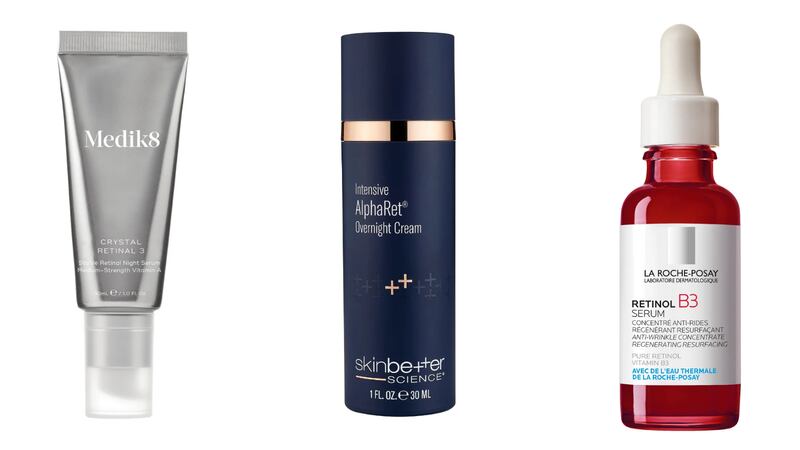
Use those three products consistently, and you’ll see a noticeable improvement before you even think about in-clinic treatments.
When skincare alone isn’t cutting it, professional treatments can make a significant difference. One of my go-to approaches for hyperpigmentation is IP, which targets dark spots extremely effectively. It’s a treatment I book in for regularly. Generally, a course of four sessions is recommended, followed by one or two treatments each year thereafter to maintain results.
Depending on the type of pigmentation you’re dealing with and your skin type, combining IPL with a course of chemical peels can also deliver fantastic results.
The biggest takeaway here is that consistency wins. Daily sunscreen, the right skincare products and the right in-clinic treatments can dramatically improve pigmentation over time. The goal isn’t necessarily to ensure it never returns, but to keep it under control and maintain healthy, even-looking skin in the long term.
This week I’m loving ... Dyson HushJet Mini Cool Fan

Leave it to Dyson to create one of the most powerful portable hand fans I’ve used – and just in time for summer. The HushJet Mini Cool Fan (€99.99 from dyson.ie) is a multifunctional gadget that can be used hand-held, propped up on your desk or worn hands-free thanks to the accompanying strap. It offers five airflow settings, ranging from a gentle cooling breeze to an impressively powerful blast. Available in three colours, including light pink, deep coral and navy blue.