Question
I graduated in 2022 with a degree in languages and have been working in translations since. However, AI is automating much of my current work, leaving me with reduced earnings for tidying up of grammar in AI-translated documents.
Working alone from home has also left me progressively more socially isolated, longing for a career change that includes daily contact with people, as I am a social person and enjoy interacting with people.
I would consider a master’s programme that would open up a career in a caring role, but not necessarily in a medical or paramedical area.
Answer
The University of Limerick has recently launched a programme to help address a “significant shortage” of social workers in Ireland, while also preparing graduates to support some of society’s most vulnerable people.


The MA in social work has been developed in response to growing workforce demand across Ireland, where social workers play a vital role in supporting children and families, people experiencing mental health difficulties, older people and marginalised communities. The programme was established in direct response to the shortage of professionally qualified social workers and the impact this can have on essential services.
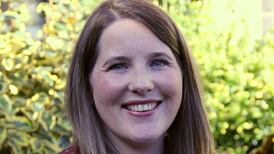
Course director Dr Melinda Gushwa said, “Ireland has a significant shortage of social workers and the primary driving force behind establishing this programme is to help address that workforce gap as each year, agencies and organisations have positions that go unfilled.
“When there aren’t enough social workers, the consequences can include delays and long waits for mental health, child and family and community-based services, as well as challenges around medical discharge planning and supporting people to transition back home.”
“It also means there are fewer social workers available to advocate for people who may not otherwise have a voice.”
UL president Prof Shane Kilcommins said the new programme “reflects the vital role of lifelong learning in enabling people to develop new skills, pursue meaningful careers, and most of all, contribute to the public good.
“Social workers make an extraordinary difference in the lives of individuals, families and communities, often supporting people at their most vulnerable. By expanding opportunities for graduates and career changers to enter the profession, we are helping to address an important national need while reaffirming our commitment to social justice, inclusion and human dignity. This programme is an exemplar of how higher education, and our institution, can serve society, strengthen communities and help shape a more compassionate and equitable future.”
The programme will prepare students to respond to some of the most significant social challenges facing Ireland, including the housing crisis, interpersonal and relationship-based violence, pressures on mental health services, and the experiences of marginalised groups.
The master’s is aimed at graduates from social science and related disciplines, people with experience in voluntary or social service settings and career changers such as yourself seeking a rewarding profession centred on human rights, advocacy and social justice.
Dr Gushwa encourages prospective students interested in making a tangible difference in people’s lives to consider a career in the profession. “The mission of this programme is to prepare graduates for a rewarding and challenging lifelong career in social work. Our graduates will be equipped to make a meaningful difference in the lives of individuals, families and communities.”
Applications are now open for this two-year master of arts in social work, with the first cohort of students due to commence their studies in January 2027. Fees of €9,800 per year apply.
Further information on the MA and application details are available at: www.ul.ie/study/postgraduate/social-work-ma
askbrian@irishtimes.com