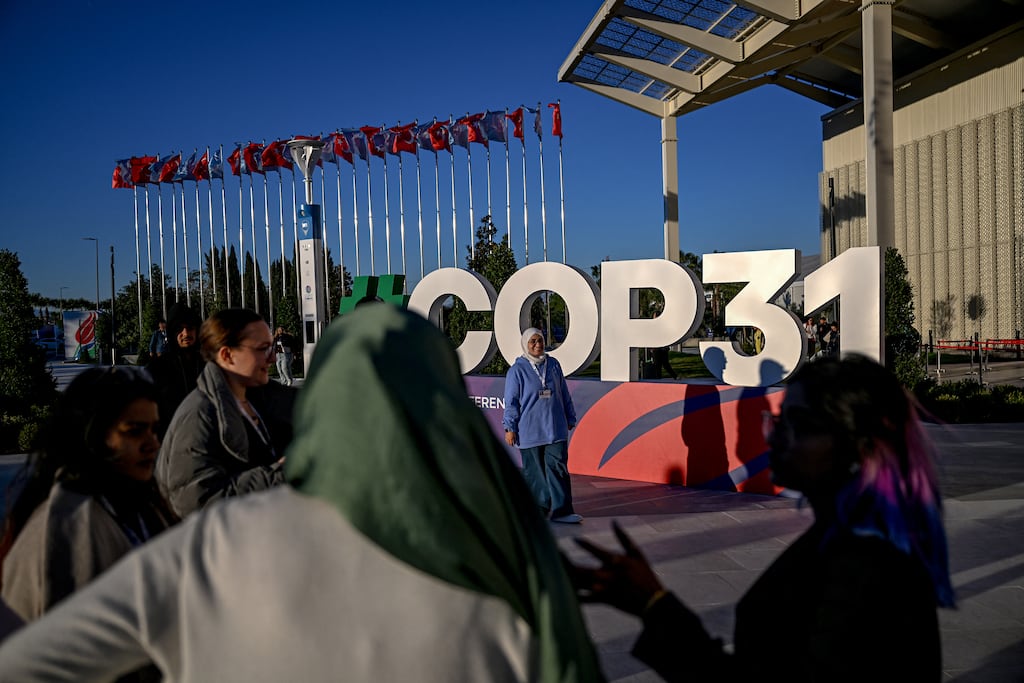

At 9.05am on November 10th each year, Turkey comes to a standstill to remember Atatürk, founding father of the Turkish republic.
In Antalya, the gesture made little difference. The city had already ground to a halt.
If the two minutes of blaring horns were meant as a salute, they could also have been an expression of seething frustration.
Antalya, like almost every conference of the parties’ (Cop) host before it, had greatly underestimated the logistical challenge of hosting the global climate summit, the largest gathering in the world’s diplomatic calendar.
RM Block


As 30-minute commutes turned into four-hour crawls and meeting schedules collapsed, a familiar question came over delegates: can Cops get anything right?
Attendees and observers of Cop31 have been subtly encouraged not to expect too much from this one, and the agenda agreed after protracted and prickly discussions suggests that may be a sensible approach.
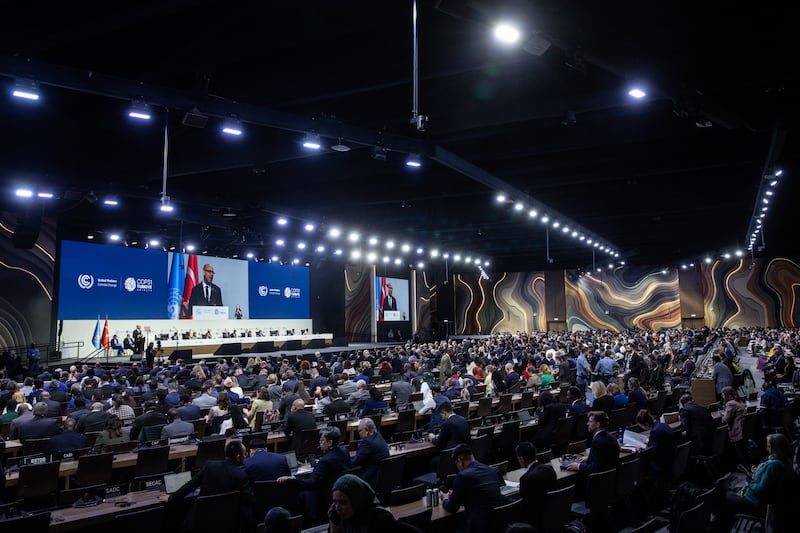
The agenda was in truth largely agreed before the 196 countries gathered in Antalya – a low-key, procedural list of previously agreed items to be checked for progress or, in some cases, signs of life.
Mitigation? Efforts to cut greenhouse gas emissions are going painfully slowly and have, to date, been insufficient to achieve actual cuts.
Finance? The pot of money promised by richer nations for poorer countries to help them develop clean energy is getting stirred around this year to see how it can be allocated, but it’s not getting any extra ingredients.
The African group of countries looked to add an item putting flesh on a commitment to treble “adaptation finance” – the money needed to protect people, property and livelihoods against the already embedded impacts of climate change.
Rich nations are not keen on coughing up for that. They prefer to back investments in renewable energy that might make money for them in the long run. The item was rejected.
Nepal, still pulling its dead from the mud, sought to include an item on mountains and climate given the twin catastrophes of landslides and drought that await as mountainous regions’ main water sources melt.
That did not make the cut either.
Comoros boldly proposed an item on sustainable diets, given the typical western intake, heavy on dairy, beef and palm oil, is devastating for climate and biodiversity.
The little African archipelago was persuaded to withdraw the suggestion.
And so, having the infamous split as the first item on the agenda was avoided.
Not that a little conflict is all bad. According to the Global Carbon Project, which has just published its latest research, emissions from fossil fuels look to have dipped slightly – thanks to the Iran war.
With fuel prices spiralling, consumers simply couldn’t afford to buy and burn as much as usual.

Emissions from wildfire and habitat loss look to have risen, however, so that cancels out any war gains.
The less than ambitious start to Cop31 is, as ever, airbrushed by the ebullience of the non-governmental attendees.
Enthusiastic young people, never-say-die campaigners and eternally optimistic private policy advisers have swamped the Cop campus in huge numbers.
Like the supporters on the sidelines of an underdog team, their drive is important in buoying negotiations.
Their challenge for the next few days is simply to get to the arena.
World leaders are arriving to say their piece on Wednesday and Thursday and the Cop31 organisers have warned of traffic disruption.
Tuesday’s chaos was barely acknowledged, official publicity proudly proclaiming it had never been easier to get around the city.
Whatever the outcome of a Cop, never underestimate a host country’s ability to convince itself it has done marvellously.