To some extent, horse racing is lucky it’s got a canary in the coal mine when it comes the vital welfare element of animal sports. The problem is that greyhound racing looks an increasingly skeevy wingman in Irish sport’s most delicate of double acts.
That the country’s big animal sports are a two-hander is clear. It is called the Horse & Greyhound Fund. Both sectors will suckle the State teat to the tune of €102 million next year. That’s up €2.9 million on 2026 with Horse Racing Ireland (HRI) getting 80 per cent of it, worth €81.6 million. For much of an otherwise largely oblivious public, the fund is a financial bicycle made for two.
There are political implications for such close identification, but a specific problem is how greyhound racing’s relationship with the wider world is so fraught, particularly in terms of its treatment of those animals at the core of its business.
Last week’s Parliamentary Budget Office report on Irish Greyhound Racing was withering about whether the state has got value for money after pumping about €380 million into the dogs over the last 25 years.
Racing still not learning welfare lessons from greyhound sector’s reputational knocks

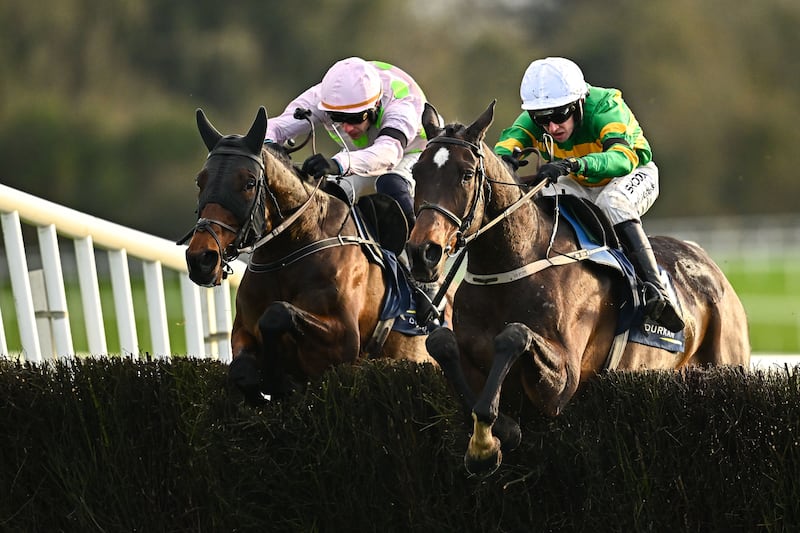
Willie Mullins’s grip on Durkan Chase looks tight as Gaelic Warrior tops packed entry

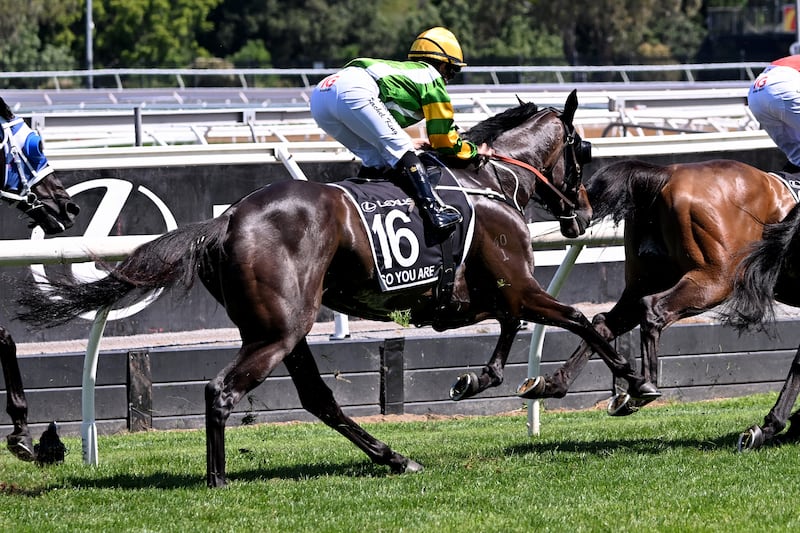
Body of Melbourne Cup horse So You Are found dumped in Sydney skip
Potential star-studded ‘premiere weekend’ action at Punchestown hinges on ground
Various statistics about sliding attendances paled in comparison to figures about the breeding of thousands of animals every year, many of them exported out of the country and falling off the radar in terms of traceability.
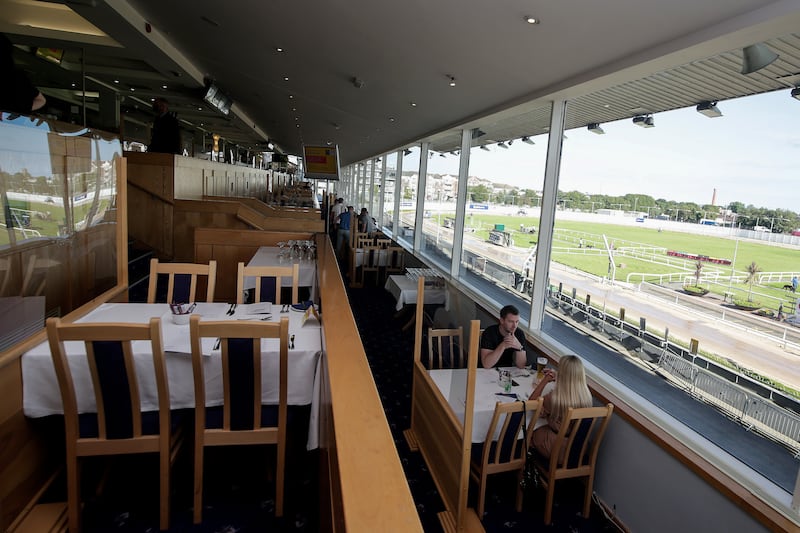
The report painted a picture of a sector putting a fraction of its State allocation into welfare and essentially throwing its hands up in the face of a vast problem about what to do with animals once their racing usefulness is over.
Horse racing holds a very different space in the popular consciousness. They might be two sides of the one legislative coin, but in terms of public standing there’s no betting about which is the shinier.
However, there’s way too much overlap, far too many common threads in the knotty reality of animals being bred for entertainment purposes, to allow any complacency about such a state of affairs being inevitable.
Greyhound racing’s popular reputation has collapsed principally because of systemic failures in relation to the lifelong welfare of the animals it produces. Evidence of that failure has been starkly highlighted in recent years.
[ Body of Melbourne Cup horse So You Are found dumped in Sydney skip ]
But it seems like horse racing here persists in opting for a selective approach to the lessons provided. Horse Racing Ireland, and the sector here generally, has also tinkered with the welfare issue rather than make the decisions and investment needed to address meaningfully what to do with thousands of thoroughbreds once their racing or breeding usefulness is over.
It’s a reputational time bomb ticking in every jurisdiction, although one that should be concentrating minds here more than most considering the importance of the racing and breeding sectors in Ireland.
HRI “bumf” points to efforts made in relation to aftercare and a lot of valuable work is being done retraining and rehoming retired racehorses by bodies such as Treo Eile. The reality remains though that such efforts are dwarfed by the scale of numbers involved.
Underneath the official veneer continues to be an essentially laissez-faire industry-wide approach about ultimately not interfering with the rights of horse owners to do what they want with their own property.
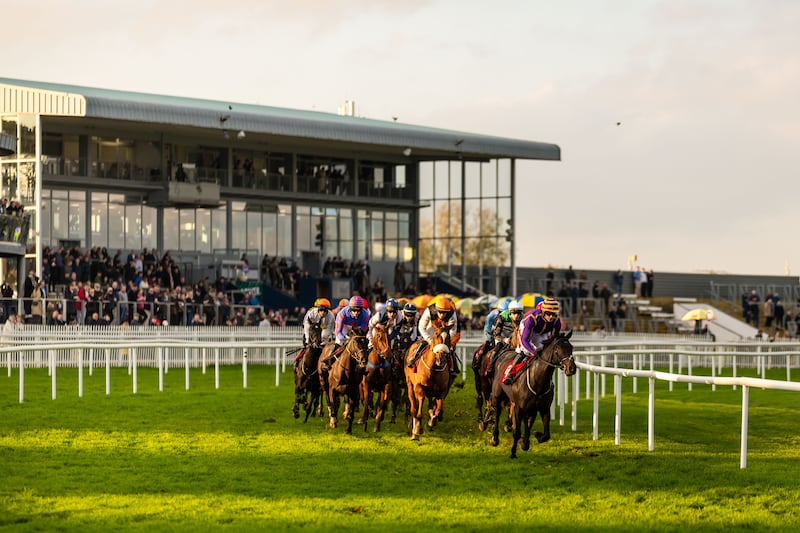
It’s a policy that boils down to presuming on owners to do the right thing. It’s not enough since there’s abundant and dispiriting evidence of how that presumes way too much. Failure to face up to that and assume a more proactive approach to aftercare is a strategic blunder reeking of undue complacency.
Circling the wagons, keeping the head down and hoping for the best is a default reaction in racing to any uncomfortable scrutiny. A similar attitude of containment has left the greyhound game in a parlous state. It is a heads-up that racing appears prepared largely to ignore.
It isn’t good enough for a sport so fundamentally reliant on being seen by the wider public to do right by the creatures around which everything revolves.
The greyhound experience is that once public opinion turns it’s all but impossible to get it back. Reputational damage from grisly accounts of either neglect or cruelty sticks. That’s the obvious lesson from when welfare is addressed in terms of little more than tokenism.
Tracing thoroughbreds throughout their lives is a basic requirement. It’s at the heart of the British Horseracing Authority’s new welfare strategy released last week. The ambition is lifetime traceability for British-bred horses. Given how racehorses are moved from different jurisdictions there are obvious difficulties, but it reflects a willingness at least to address the problem.
Such willingness is the bare minimum required to protect the long-term sustainability of a sport inherently vulnerable to reputational knocks.

Grim proof of that came earlier this week with the grisly tale of how the carcass of high-profile Australian racehorse So You Are ended up in a skip in Sydney. It made worldwide headlines, with uncomfortable echoes of the notorious Gordon Elliott incident here in 2021 when no actual welfare issue occurred, but the optics were dreadful.
Being able to stand over a systemic approach to the animals at its heart, throughout their lives, is a baseline in what is an increasingly existential issue for racing. It doesn’t have far to look to see what can happen if it doesn’t take the initiative now.
Something for the Weekend
LUCKY PLACE (1.30) won the Grade Two Ascot Hurdle in 2024 and should prove hard to beat in Saturday’s renewal. Nicky Henderson’s stalwart has a run under his belt this season at Aintree and is rated to beat three opponents.
More positive tactics appear to have worked for BRANDT (2.40) on his last two starts and could do so again in the marathon Berkshire National on the Ascot card. Cian Collins sends the Irish hope on the back of wins at Galway and Cheltenham. The trip is something of an unknown, but the comparatively quick ground conditions should help.