This is a crucial and perhaps even existential week for UK prime minister Keir Starmer, with difficult elections at home and renewed strife abroad. How can he survive it?
Starmer could be forgiven for waking up each morning and wondering what fresh hell lies in store for him.
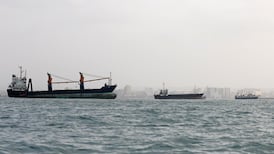
On Tuesday morning, his main trouble was on the foreign front with the resumption of conflict in the Middle East. US president Donald Trump’s attempt to break Iran’s blockade of the Strait of Hormuz has led to more missiles flying across the Gulf after a four-week break.
The war had already effectively destroyed one of Starmer’s main foreign policy achievements in office, which was a hitherto good relationship with Trump that had resulted in Britain scoring an ersatz trade deal with the US. The president now dismisses Starmer with scorn for refusing to join his adventures in the Gulf.


Now, the war also threatens to wreck any lingering hopes to which Starmer may have clung that his ailing government’s attempts to jump-start the UK economy might have paid off in time, before his country finally ran out of patience with him.
Trump’s war in Iran has dampened global trade, which will lessen the fruit of the other trade deals that Starmer has struck in India and elsewhere. It has damaged British businesses by driving up the cost of energy. And by stoking inflation, it will also make life even harder for the working-class voters that Starmer has been trying to win back.
The preponderance of global strife also means Starmer is now under pressure to spend money he doesn’t have beefing up the UK’s military to deal with new threats.
By the second half of the week, Starmer’s focus will shift from global to domestic matters, and the small matter of Thursday’s parliamentary elections in Wales and Scotland and local elections in England. Labour’s expected dire performance in all of them could even spark a leadership challenge against the UK prime minister.
As his international and domestic woes converge, there may be a chance that one group could balance out the other: a heave may be less likely to be launched against Starmer while he is having to deal with the effects of, and trying to stop, a war abroad.
But what if one of his rivals, such as health secretary Wes Streeting, decides to launch a challenge in the wake of what are expected to be disastrous election results, on the basis that he may never get a better chance? If Streeting moves, former deputy prime minister Angela Rayner may move too.
How might Starmer respond if his rivals, or their backbench outriders, challenged his position? His dwindling band of allies insist to all and sundry he would fight back.
There is a belief in parts of Westminster that Starmer, in search of a big bold, move to transform his standing, could take a decisive position on Britain’s future relationship with the European Union, possibly even by backing a rollback of parts of Brexit.
A weekend poll by Survation and Labour List showed 87 per cent of Labour Party members now support rejoining the EU.
If there were a leadership contest, and if Starmer chose to stay in it, then he would need something to offer those people.
He could be sure Streeting or Rayner, when it came to it, would announce EU closer alignment plans of their own.