
Ulster v Munster in Ravenhill, deep in the mists of time. The visitors were on the attack, chasing a rare win north of the Border. Hoping to reduce the pressure on Ulster, the Lions series-winning captain had a word with the vastly inexperienced referee.
“If you don’t fix the lineout, then I will,” or words to that effect, put considerable doubt in the mind of the young official. Perhaps unsurprisingly, he then awarded two consecutive lineout penalties to Ulster. Had the referee been duped? Maybe, maybe not, but he does admit to heeding the words.
The actors in that little cameo were Willie John McBride and, oh lord, me. It’s an annoying fact of life that the tricky days come to mind more often than the good ones. The positive note, on a difficult day, was sharing a pitch with one of the greatest players ever to grace the game.
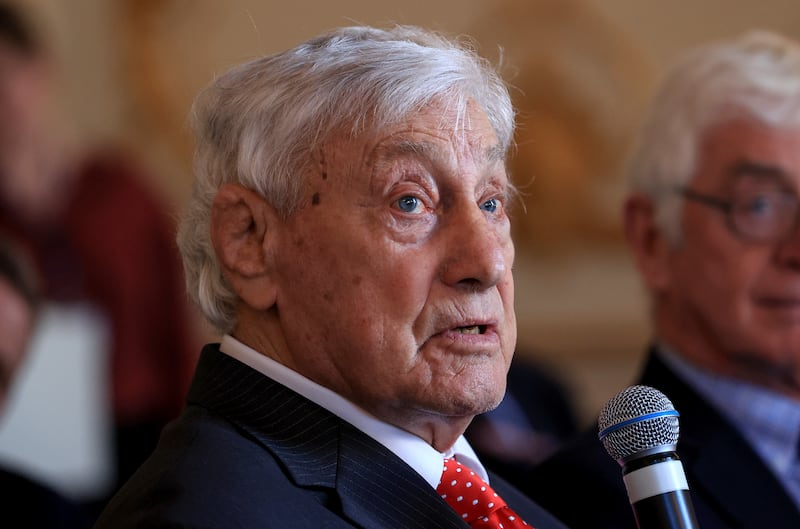
McBride, last week, spoke out against the high number of replacements and the introduction of so-called bomb squads. He proposes reverting to the days when replacements were only allowed for injury.
‘He’s still young and learning’: Sam Prendergast’s development coming along nicely at Leinster

Munster have the chance to address years of underperformance with a reboot

Depleted Connacht need to iron out wrinkles against Glasgow, says Woodman

Irish 10s steal the limelight on an encouraging URC weekend

However commendable the idea is, it’s unlikely to work. There would surely be a lot of injury-feigning. Even independent doctors would find it nigh-on impossible to refuse a replacement.
But what might work is a reduction in the numbers allowed. A starting point of outlawing anything other than a 5-3 split would get the ball rolling. I was involved at IRFU and Six Nations meetings where this issue was discussed at length.
It was rightly considered an imperative to avoid uncontested scrums, so that was three front-row replacements for a start. Then allow for one potential change in both the secondrow and backrow. Finally, allow for changes in the backs, for a specialist scrumhalf and a utility back. That’s how the number of eight replacements came about.
Now, the 7-1 and 6-2 splits have arrived, with accompanying bomb squads of significant bulk. McBride is rightly concerned about the weight of these fresh behemoths, ranging around 140kg, or 22 stone. It cannot be safe to have them charging at opponents who have already played for an hour.
The moment these splits appeared was also the moment to call a halt. In addition to the intention, these were, and remain, outside the spirit of the law. But nobody has spoken up. A carefully framed clarification question was sorely needed, asking World Rugby for a law ruling on the validity of it all.
There are several key issues issues at play. The lineout proposal – which nonsensically requires a team to put up a contesting jumper to ensure crooked throws are penalised – has been lobbied to global trial level, but it can still be stopped. Relevant people should demand that rugby’s co-ordinated skills of throwing, lifting and catching remain central to rugby. Instead, we get too many crooked throws, no contests, double banking and illegally-driven unstoppable mauls.
Could a multiple URC champion be on the way out?
Each and every proposal needs to be robustly critiqued, before being accepted or rejected as necessary. The northern hemisphere unions don’t appear to be organised, but it’s essential that each union has a knowledgeable, elite laws group working in tandem with the Six Nations. It is the essential cog in this critical wheel.
It was key in the last-minute rejection of several experimental laws proposed by “the south” in 2009. While that debate should never be viewed in terms of winners or losers, it was definitely about what was best for the sport’s long-term interests. And, right now, that’s where the game finds itself again. If any more of the south’s ideas are taken on board, then we will have a World Cup in Australia all right – it just won’t be rugby union.
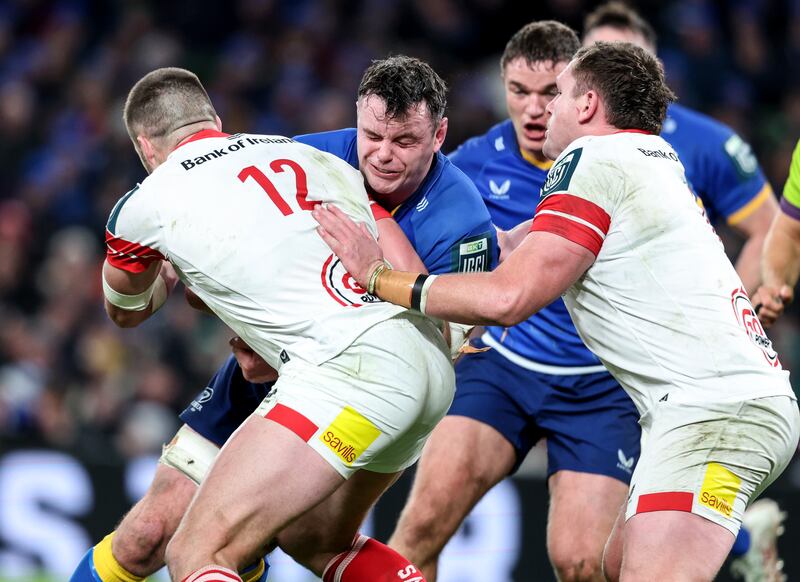
McBride played secondrow, as James Ryan does now. Following his hit on South Africa’s Malcolm Marx, Ryan recently attended tackling school. While we are told very few pupils re-offend, he might be called back for detention. In clearing out Ulster’s Sam Crean, he tucked his left arm, leading with his shoulder. Nowhere near as severe as the Marx incident, but Ryan’s action risked a yellow card and he can’t really complain that he got one.
Moving on . . . she’s done it. I’m talking about Hollie Davidson. Her appointment to the Ireland v Italy Six Nations match is terrific. She becomes the first woman to crash through this glass ceiling – and it is not window dressing, it is absolutely merited.
England will have four referees and it’s impossible to argue with that, given the lack of talent elsewhere. They are the usual suspects: Karl Dickson, Matthew Carley, Christophe Ridley and Luke Pearce. Remarkably, they will handle five of the matches, with Dickson refereeing Ireland twice – away to France and at home to Wales.
The IRFU will be relieved and pleased, as am I, to see Andrew Brace back in the fold. Having missed out on the Rugby Championship, he’ll travel to Lille for France v Italy. A really good performance should cement his place. Ireland also have a couple of TMO and assistant referee appointments in Olly Hodges and Eoghan Cross, respectively. However, overall it’s a very underwhelming outcome for Irish match officials.
The appointments for the Under-20 Six Nations, a breeding ground for the future, have also been announced. In addition to the major unions, the list includes referees from USA, Georgia, Fiji, and Hong Kong. There is no referee from Ireland.
It’s pretty clear that this issue needs attention and one wonders how best to go about it. Perhaps everybody involved in refereeing at the IRFU, particularly their leading match officials, would benefit from a thorough root-and-branch independent review. The last one, I believe, was in 2017, so another now wouldn’t go amiss. It certainly can do no harm.