

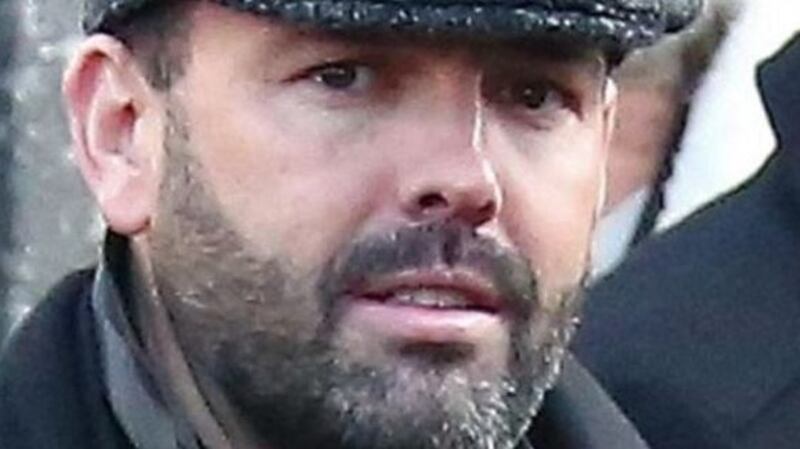
Daniel Kinahan was on Sunday night charged over his alleged role in directing the Kinahan organised crime group, some 10 years on from the peak of a bloody feud between it and the rival Hutch organised crime group.
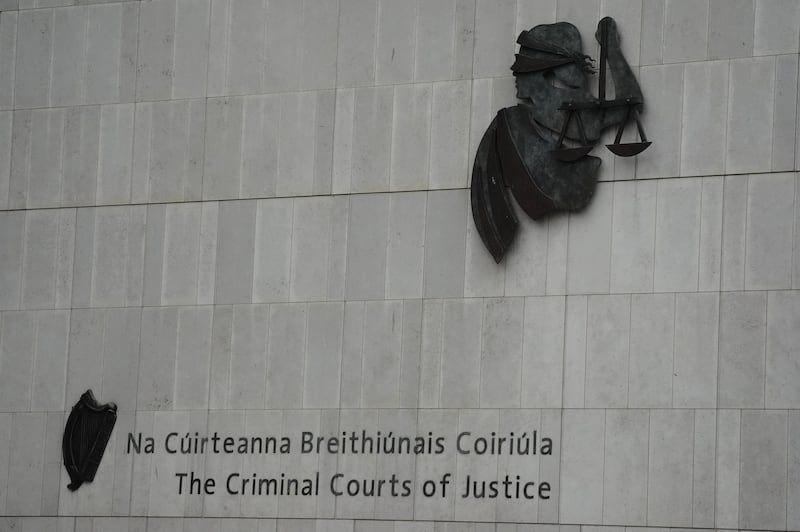
In most cases an accused initially appears before the District Court, but the 49-year-old was brought to the Special Criminal Court in Dublin’s Criminal Courts of Justice immediately after his extradition from Dubai.
What is the Special Criminal Court?
As the name suggests, it is a specialised court that deals with cases involving allegations of terrorism or organised crime.
The charge Kinahan faces – that he directed the activities of a criminal organisation between dates in 2015 and 2017 – falls within that court’s remit.
RM Block


In a departure from typical criminal prosecutions, it is a nonjury court, with cases decided by three judges sitting together rather than a jury.
Why is there no jury?
The court was established in part to combat the capacity of paramilitaries and organised criminal gangs to intimidate witnesses and jurors so that ordinary courts might no longer function.
The Constitution empowers the Dáil to establish “special courts” when the “ordinary courts are inadequate to secure the effective administration of justice and the preservation of public peace and order”.
How long has the court been around for?
It was established in 1972 under the provisions of the Offences Against the State Act 1939. This was an emergency response during the Troubles, and the State primarily used the court to prosecute paramilitaries.
Since the Belfast Agreement and the end of the Provisional IRA’s campaign, the court has dealt predominantly with organised crime cases. It continues to hear some cases brought against people accused of dissident republican activity.
Because it is emergency legislation, the Offences Against the State Act 1939 must be renewed every year by the Oireachtas.
There’s still a need for the Special Criminal Court?
Not everyone thinks so. In fact, the court has long faced opposition from human rights groups and some political parties.
The Irish Council for Civil Liberties has consistently called for the court’s abolition, arguing that it infringes on the human rights of those tried before it. The absence of a jury is one of the group’s key complaints.
The court has also attracted international criticism, including from the United Nations Human Rights Committee.
For many years, Sinn Féin outright opposed the Special Criminal Court. In 2021 the party dropped that position, acknowledging that nonjury courts may be required in “exceptional circumstances”. It maintained its criticism relating to civil liberties.
What’s the Government’s position on it?
An expert group tasked with reviewing the Offences Against the State Act in 2023 recommended the repeal of the legislation and the Special Criminal Court.
The Government last year said it had accepted those recommendations. However, Minister for Justice Jim O’Callaghan said the replacement of the legislation will not spell the end of nonjury courts, which he said remained necessary for certain cases.
Despite the acceptance of the recommendations, the existing legislation was renewed by the Government for another year in June.
What happens next for Kinahan?
He was remanded in custody to Portlaoise Prison after being charged on Sunday and is due to appear before the court again on October 5th.


