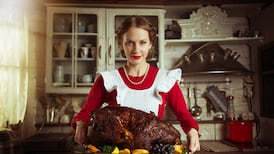
Last December, during a pre-Christmas planning summit, I backed a push to expel crackers from the family table. Crackers, we argued, were the ultimate representation of festive faff, clutter, expense and waste. With no paper-hat enthusiasts to oppose us, the 19th-century nuisance-dispensers were banished.
Christmas is not frozen in amber, even if our instincts are to pretend somehow it can or should be. As new customs bed in, older ones either adapt or lose their hold on us. How and why this happens can be a complex process, filled with contradiction.
“Traditions are never static. If they remain static, they die,” Regina Sexton, food and culinary historian at University College Cork, says.
“There’s a set collection of principles that people decide they need to meet at Christmas. They want elements of specialness, elements of luxury and a sense of build-up to the day. Those elements are consistent, but the expression of them changes.”
RM Block


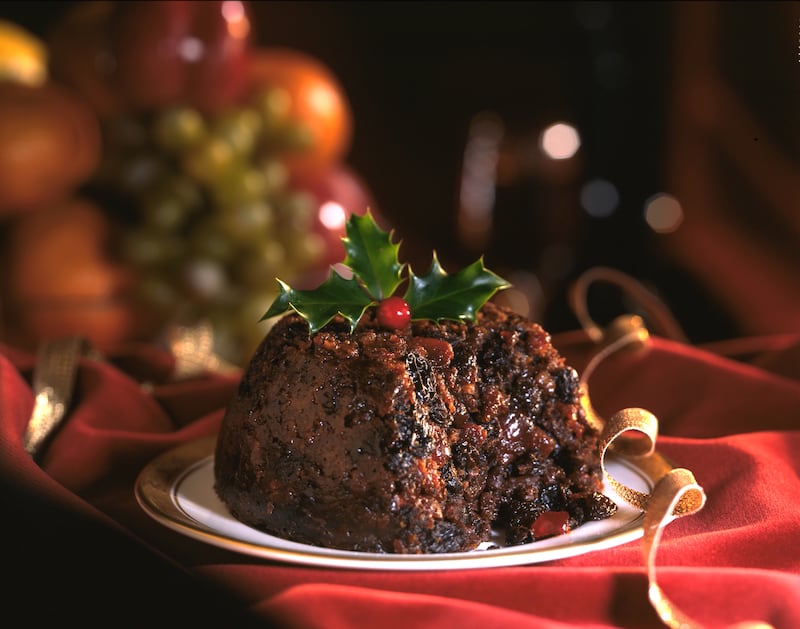
One curious example of this is the recent evolution of the Christmas pudding.
“Traditional pudding [made with dried fruits, spices and alcohol] has gone out a little bit because tastes have changed. People find it too heavy, too hard to digest, or they just want something more exotic,” Sexton says.
Yet a scan of this month’s stacked baked-goods shelves will indicate that puddings are still very much a thing.
“Supermarkets are selling melted chocolate or salted caramel products, but they’re in the shape of a pudding. There is this continuity in the idea of a Christmas pudding.”
In a world of choice and abundance, people are often keen to “express exceptionality” through food, she says. At Christmas, this can be one catalyst for deliberately avoiding whichever meat happens to be the “mainstream” default option.
“Goose is an interesting one. Someone told me they were getting a goose this year, and that Lidl has frozen ones brought in from Poland.”
Once the most common Christmas meat among rural families in Ireland, goose lost pride of place as turkey became more widely available. When it made a comeback of sorts in the 1980s and 1990s – “essentially because it wasn’t turkey” – it was as an exclusive, “extraordinarily expensive” way of “making a big meat statement”, says Sexton.
“Now goose is something you can find in the environment of a discount supermarket.”
A similarly cyclical pattern may be happening in the realm of festive foliage.
“Twenty years ago we rarely saw poinsettias in Ireland,” says Paul Smyth, plantsman and head gardener at RHSI Bellefield, in Co Offaly.
Thanks to their vibrant (usually red) bracts, the plants have been a Christmas phenomenon here this century, with several Irish nurseries taking to growing them. “It is now hard to imagine the Christmas season without poinsettias,” the Bord Bia website says.
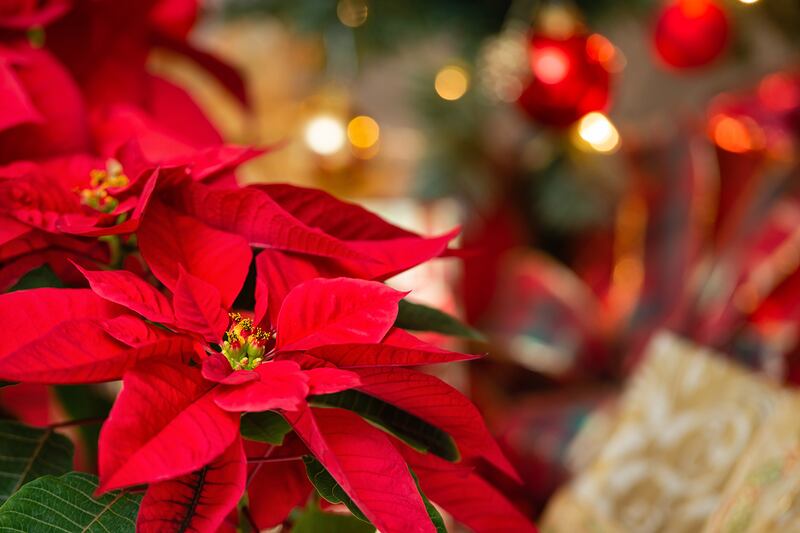
Smyth says: “But they’re maybe starting to go out of fashion now.”
It’s not just that people have learned over time how hard it is to keep them alive in the Irish climate. They have also fallen in price to the extent they no longer possess the cachet of a luxury item.
What Smyth has seen most recently is “a bit of a renaissance” in holly, though it can be harder to source, and its counterpart in song, the oft-overlooked ivy.
“The traditional ones have come full circle. People are using holly and ivy again to make a garland or wreath for the front door, which is something everyone can see.”
Beyond decor and the dinner table, there’s another household focal point where once-beloved Christmas rituals are at risk of being usurped: the television set.
When I was a child, if you wanted to plot out your fortnight of must-watch TV gems then you needed to buy the RTÉ Guide, the Radio Times (for the BBC) and TV Times (for UTV and Channel 4) as TV listings were regulated until 1991. That meant a serious amount of stall-setting via circling, asterisking and highlighting before family negotiations could begin.

“Sales of red pens soar after release of Christmas RTÉ Guide,” the satirical Waterford Whispers News website declared in 2014. That year, the listings magazine’s festive double-issue was still selling an impressive 420,000 copies. But, in bad news for sales of red pens, its circulation last Christmas was 200,000.
It’s not just that listings information is everywhere now. The advent of our on-demand entertainment culture means we’re no longer tied to the whims of schedulers. With the Ghost of Christmas Past – in the form of repeats and old favourites – now haunting broadcasters’ line-ups, it may well be big-budget streaming platforms that distract us from our indigestion.
Meanwhile, technology has made it easier, in theory, to stay in constant contact with other people, diminishing the need to use Christmas as the hook to get in touch. Still, that’s not the only reason why people send fewer Christmas cards than they used to, or why younger generations might not (yet) have taken up the practice. The housing crisis also hasn’t helped.
“Card-sending becomes a thing once people have their own hallway and their own mantelpiece or somewhere to put the cards,” Anna McHugh, head of corporate communications at An Post, says.
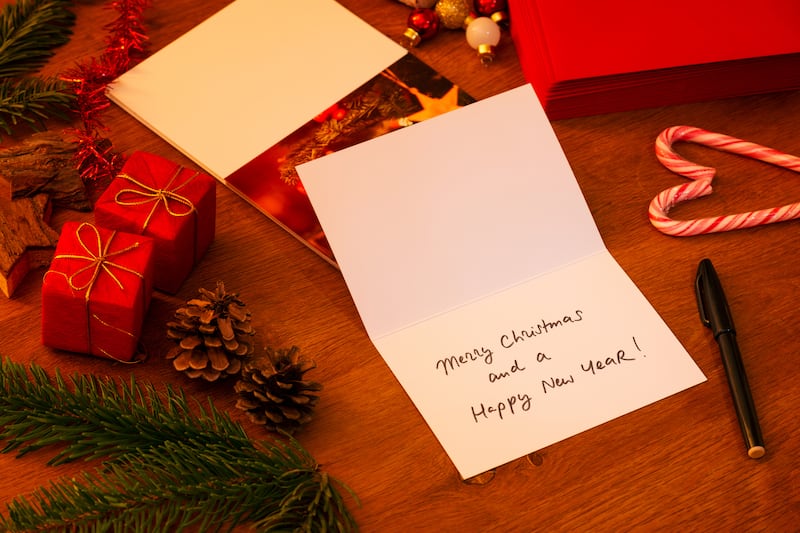
Back in December 1970, an editorial in The Irish Times responded to a reported 30 per cent drop in festive mail volumes (blamed on a rise in stamp prices) with the grinch-like take that only card-selling shopkeepers would “weep over-long at this intelligence”. Sociable and busy people “whose list of acquaintances has got out of control” were being “plagued by card-sending”, it contended – words that pointed to a nation of groaning sideboards.
“It has slowed down over the years, and we’re conscious as well that the price of stamps has gone up, which is why we always have discounts on Christmas booklets,” McHugh says.
This year, An Post printed one million national-stamp booklets, which now contain 15 stamps for €20. It’s also running its “send love” advertising campaign – a reminder that when it comes to keeping traditions alive, marketing never does any harm.
Christmas cards remain “a really, really strong Irish tradition”, McHugh says. Indeed, their sending epitomises a key aspect of our festive behaviour: we continue to do things at this time of year that we have otherwise ditched.
While overall letter volumes have declined by 40 per cent since 2017, the fall-off in December is much more modest.
“Christmas bucks the trend every year. Yes, people might not be sending as many cards, but they will send them.”
Why? Because it’s a nice thing to do.
[ Beyond books: Christmas gifts for the literature lover in your life ]
Societal change, economic squeezes, environmental fears, fluctuating degrees of consumerism and shifts in household composition can all trigger revisions to the concept of what constitutes “Christmas” among people who celebrate it.
So, too, can a backlash. The “12 pubs of Christmas” binge-drinking crawl, complete with novelty jumper-wearing, was a staple of social-media updates in the early days of Facebook until fed-up publicans mounted a pushback in the mid-2010s.
Some traditions pass their peak or become more peripheral as newer alternatives soak up hype or we absorb the customs of other cultures. But there’s another factor at play: we do some things at Christmas simply because we always have, not because we enjoy them.
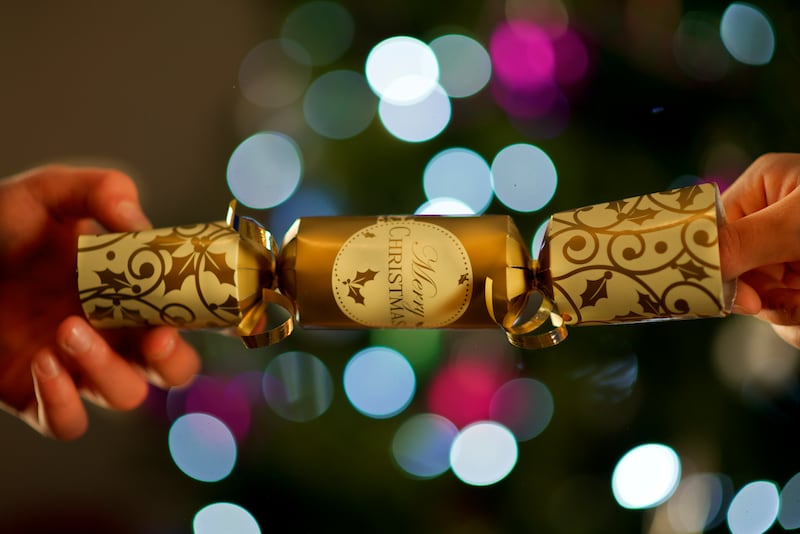
“Just for tradition. Absolute waste,” a friend replied when I asked if she bought crackers – she had just purchased a box. Likewise, Sexton suggests that people who don’t like the taste of Christmas cake will sometimes still ensure they have one because the emotional power of sensory nostalgia is so strong.
Last week I entered a vortex of Christmas by walking under an archway of hexagonal LEDs in Merrion Square Park. I tried to imagine how enchanting the animated snowmen would have seemed to me if Dublin City Council had been in the projection game when I was small. Does visiting a winter lights installation now count as a festive tradition? The answer is it does if you decide to make it one.
In with the new? Five festive trends
Panettone products
The centuries-old Milanese sweet bread has been a fixture in Irish supermarkets in recent Decembers. Purists say panettone – spread around the world by Italian emigrants – should only contain dried fruit and never chocolate. This is one of those occasions when purists are wrong.
Bedding designs
After successfully seeding the idea of festive pyjamas, retailers have taken the next logical step and stocked up on duvet covers and pillowcases bearing holly, tree, candy-cane and reindeer motifs – just in case anyone wakes up in the middle of the night and forgets it’s Christmas.
Sea swims
A long-established tradition in coastal communities, Christmas Day swims have become more popular thanks to fundraising activity, media coverage, a surge in year-round sea swimming and the time-freeing drop-off in morning mass attendance. These even feature in a festive ad for Vodafone.
Party warnings
Tighter budgets are often blamed for putting workplace shindigs on the danger list, but cautionary tales about what not to do at the office party remain a growth industry, with the expert advice of employment lawyers now as Christmassy as velvet. It’s almost as if they know something.
Gingerbread deodorant
Not a real trend, but a joke from the Disney fantasy film Noelle (2019), in which our eponymous heroine, played by Anna Kendrick, is so steeped in Christmas spirit she is said to wear “gingerbread deodorant”. An online search reveals that this product is available.