

The boom in audiobooks has been a boon for history books. Not so long ago, only the most popular history books made the cut to audio form. Now, though, the number of titles to choose from is vast; here are 12 of the best.
America, América: A New History of the New World
By Greg Grandin
Narrated by Holter Graham. 25hrs and 55mins
This is an extraordinary book in so many ways. Pulitzer Prize-winning historian Greg Grandin’s ambitious and meticulously researched account of an entire continent will forever change how you think about the “new” world. Most incredible of all is how engaging it is. Hours will go by before you realise you’ve been sitting, utterly rapt, at contemporary accounts of the actual legality of colonialism. The chapter “Irish Tactics”, which describes how English methods of repression and violence in Ireland were adopted in the Americas, is particularly chilling.
Flashes of Brilliance: The Genius of Early Photography and How it Transformed Art, Science and History
By Anika Burgess
Narrated by Marian Hussey. 7hrs and 8mins
Beginning with a wonderful description of the rigmarole involved in getting your portrait taken in the 1840s, Flashes of Brilliance takes listeners on a whirlwind tour of photography up to the early 20th century. The stories of eccentric inventors, scientists and (often wildly dangerous) innovations are so enjoyable the hours fly by. What sticks with you, though, is the consideration given to just how much photography changed how we see the world, not to mention ourselves. You’ll never look at your camera phone the same way again.
Orientalism
By Edward W Said
Narrated by Peter Ganim. 19hrs and 2mins
Originally published in 1978, Said’s massively influential examination of how the West repeatedly justifies brutalising people of the East is arguably more relevant now than ever. A book about “culture, ideas, history, and power”, it explains how western politics and academic institutions foment racism and stoke fear of the “other” to rationalise colonial ambitions. Orientalism may very well recalibrate your brain chemistry; you’ll understand the world a little better, though you’ll be all the more depressed for it. The audiobook contains an updated forward by Said, lamenting the “awful suffering of the Palestinians in a reinvaded West Bank and Gaza, with Israeli F16s and Apache helicopters used routinely on defenceless civilians as part of their collective punishment”. That was more than 20 years ago.
RM Block



The Last Colony: A Tale of Exile, Justice and Britain’s Colonial Legacy
By Philippe Sands
Narrated by Adjoa Andoh, Philippe Sands. 5hrs and 45mins
On April 27th, 1973, Liseby Elysé and 1,500 other Chagossians were forcibly removed from their island home, without warning or explanation. Unbeknown to the people being ripped from their homeland, Chagos no longer belonged to Mauritius, but was now part of the “British Indian Ocean Territory”. Reading this superb account of colonial cruelty and the fight for justice, it is hard not to think of William Faulkner’s famous lines, “The past is never dead. It’s not even past.” In May of this year the British government finally signed sovereignty of the Chagos Islands back to Mauritius, but they retained control of the US-UK airbase located there.
Shifting Sands: A Human History of the Sahara
By Judith Scheele
Narrated by Lucy Paterson. 13hrs and 5mins
When someone mentions the Sahara, we all probably think the same things: vast, desolate sand dunes, intense heat, camels, maybe the odd oasis. What we rarely consider are the people who actually live there. Judith Scheele, an anthropologist and researcher, upends our misconceptions with this richly detailed, boots-on-the-ground history of the region and its inhabitants, from ancient times to the post-colonial era. The Sahara is unfathomably huge: over three million square miles, but it is not empty. Encompassing 11 countries, including some of the poorest in the world, it is a place defined by movement. Traders, merchants, migrants, soldiers, nomads, smugglers, shepherds, families – all with different customs, languages and traditions, constantly moving along the myriad trade routes, tracks and roads.
Cuba: An American History
By Ada Ferrer
Narrated by Alma Cuervo. 23hrs and 13mins
The culmination of 30 years of research, Ada Ferrer’s exploration of the complex and fractious relationship between Cuba and the US makes for a thoroughly absorbing listen. Spanning centuries, from the initial conquest and occupation right up to the 2020s, this is history from the ground up. Giving voice to the slaves, poets, resistance fighters, rebels, prisoners, as well as the countless nameless dead, Ferrer tells a story rich in human suffering, courage and endurance. It is not, however, a straightforward history of Cuba; it is all framed within the fascinating context of Cuba’s proximity to the US.
A Thread of Violence: A Story of Truth, Invention, and Murder
By Mark O’Connell
Narrated by Mark O’Connell, 7hrs and 25mins
In the process of planning a heist in 1982, Malcolm Macarthur murdered two people: a nurse, Bridie Gargan; and a farmer, Donal Dunne. Three weeks later he was arrested in the apartment of the attorney general, Paddy Connolly, kicking off an international media frenzy. It is a well-known, extraordinary story, but this book is much more than a retelling. In trying to unravel what really happened and why, O’Connell reflects on his own responsibilities as a nonfiction author, and grapples with the complexities of relying on neat narrative structures to understand the chaos of real life. It might not be filed under “history”, but it is very much about the past. It is, in fact, a forensic excavation of the past and all the ways we try to make sense of it.

Emperor of Rome: Ruling the Ancient World
By Mary Beard
Narrated by Mary Beard. 14hrs and 44mins
This excellent examination of power and corruption opens with an account of Elagabalus, a Syrian teenager who became emperor of Rome in AD 218. Sadistic and unpredictable, Elagabalus was known for tricking people with whoopee cushions, smothering dinner guests to death with flower petals, never wearing the same shoes twice, and waking hungover revellers with lions and tigers so they died of heart attacks. But is any of it true? As recently as August, the Telegraph misleadingly reported that Beard compared Donald Trump to Elagabalus. The truth, then as now, is malleable. What did the Romans ever do for us? Perhaps their most enduring legacy is the template of the cruel and unusual ruler.
Africa is Not a Country: Breaking Stereotypes of Modern Africa
By Dipo Faloyin
Narrated by Dipo Faloyin. 9hrs and 33mins
How about this for a way to open your book on busting stereotypes: “Insert generic African proverb here. Ideally an allegory about a wise monkey and his interaction with a tree. Or the relationship between the donkey and the ant that surprisingly speaks to grand gestures of valour. Sign it off – ‘Ancient African Proverb’. Dipo Faloyin continues with the same wit, warmth, frustration and anger at how homogenous the whole African continent seems to the rest of the world. From heated debates on jollof rice and Lagos social life to colonial desecration of material culture, this is an eye-opening listen.
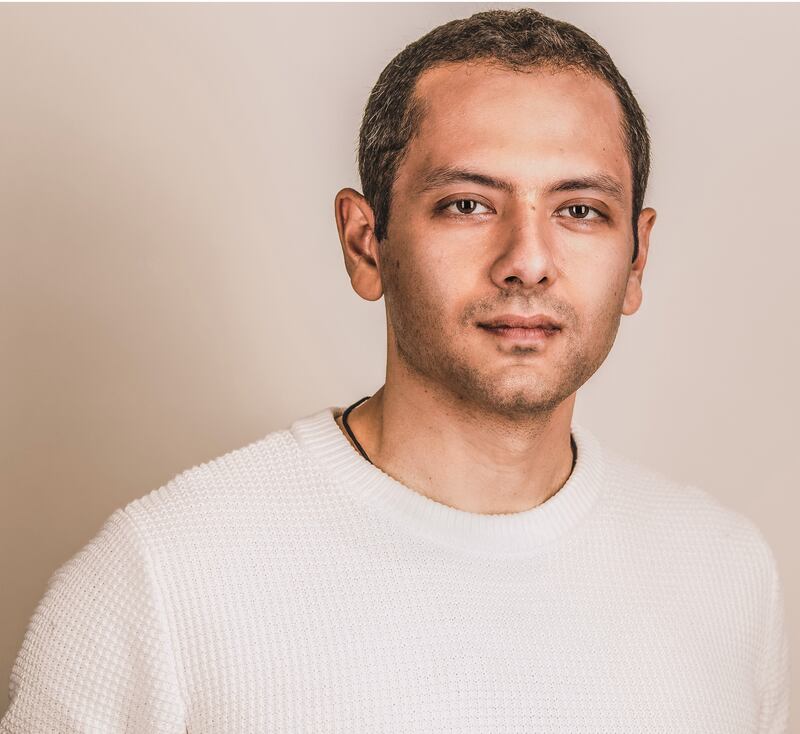
One Day, Everyone Will Have Always Been Against This
By Omar El Akkad
Narrated by Omar El Akkad, 5 hrs, 20 mins
Consider the sentence from which the title is taken in full: “One day, when it’s safe, when there’s no personal downside to calling a thing what it is, when it’s too late to hold anyone accountable, everyone will have always been against this.” We see it happening already with otherwise outspoken celebrities suddenly condemning the genocide in Gaza, as if the previous two years of silence never happened. A war correspondent and author of the excellent American War, Omar El Akkad brutally lays bare the West’s hypocrisy toward any notion of human rights or international law. More than anything, this National Book Award for Nonfiction winner is an evisceration of the moral superiority of western governments. If you feel a burning rage that nobody with the power to do so is lifting a finger to stop the slaughter of innocent people, this audiobook is a must-listen.
Dirty Linen: The Troubles in My Home Place
By Martin Doyle
Narrated by Eugene O’Hare. 11hrs and 25mins
A view of the Troubles through the eyes of a single rural parish where 20 people were violently killed during the conflict, Dirty Linen is a personal history, but also a universal one. The cycle of violence, revenge, trauma, grief and anger is one surely recognisable to victims of war and conflict the world over. By interspersing his own memories and experiences with the moving testimonies of friends and neighbours who lost loved ones, Martin Doyle reveals a truth beyond the headlines. It is at times a very tough listen, but a necessary one. As Doyle himself says, “It is by sharing our stories that we build a bridge of common ground from which good things can grow.”
Global Crisis: War, Climate Change & Catastrophe in the Seventeenth Century
By Geoffrey Parker
Narrated by Peter Noble, 48hrs and 44mins
Listening to history books teaches you something valuable about reading history books. You don’t have to absorb and analyse every little detail. There’s no test at the end. If you’re struggling with a particularly dense passage, just keep going. Keep the bigger picture in mind and take what you want from it. Geoffrey Parker’s magisterial account of arguably the most disruptive century in human history is a good example. Holding the physical book in your hands, it becomes an intimidating prospect. The notes and bibliography alone run well over 100 pages. But in audio form all those wars, droughts, famines, diseases, invasions and tragedies become somehow easier to digest. If you listen to 30 minutes a day, you should be finished by the year 2077.


