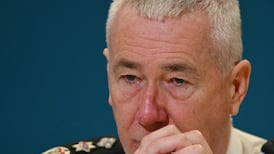
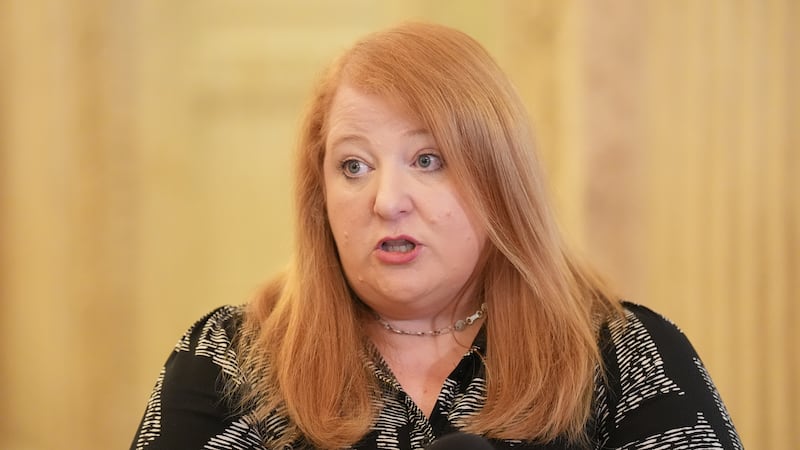
MI5 has a “blind spot” when it comes to dealing with the legacy of the Northern Ireland Troubles, the Police Service of Northern Ireland (PSNI) Chief Constable Jon Boutcher has said.
The Chief Constable faced a call at the Policing Board for “root-and-branch” review of his force’s relationship with MI5 following the publication of the Operation Kenova report.
The report looked at the actions of Stakeknife, the army’s top spy in the Provisional IRA’s internal security unit during the Troubles.
The agent has been linked to at least 14 murders and 15 abductions.
He was widely believed to be west Belfast man Freddie Scappaticci, who was 77 when he died in 2023.
The report said MI5’s initial failure to disclose all it knew about Stakeknife to Kenova investigators was a “significant failure”.
It also said that MI5 had “earlier and greater knowledge” of Stakeknife than it had at first stated.
SDLP Policing Board member Colin McGrath said the report showed MI5 had known about Stakeknife’s crimes and “did nothing”.
He added: “Does it not all confirm that there needs to be a root-and-branch review of MI5’s actions and conduct here, including the current PSNI and MI5 MOU (memorandum of understanding)?”
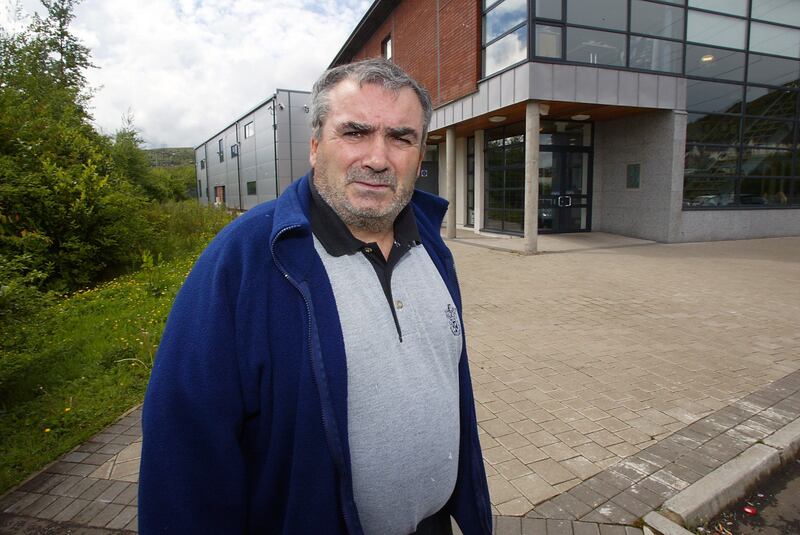
Mr Boutcher said MI5 is a “remarkable organisation”.
He added: “I think this is about cultural issues. MI5 are doing so much work to keep society safe and I know they are driven by values and ethics. But in Northern Ireland there is what I describe as a blind spot.”
“It is to do with the fact that on one side of the Troubles were the security forces, who, by the way, invariably in my experiences on Kenova acted outstandingly and we should never forget the sacrifice the security forces made,” he said.
However, he said, things that were wrong “should not be covered up”.
In “any well-functioning democracy” these issues would surface to ensure learnings, he said.
Mr Boutcher said he believes the security forces are on a “journey around how we deal with legacy”.
“I think the (Kenova) report needs to be digested by various organisations, including (the UK) government. I am involved in conversations to try and change how some of these approaches are taken,” he said.
The Kenova report called for the UK government to publicly reveal the identity of Stakeknife.
Northern Ireland Secretary Hilary Benn has said he will respond to this at the conclusion of an ongoing case in the Supreme Court which, he said, has implications for the policy of “neither confirm nor deny” with agents.
Mr Boutcher told the board he was an advocate of the policy as it is “vital to protect lives, to protect methodology”.
But he added: “It should be applied intelligently and proportionately, and it should never be applied where it is done so to hide wrongdoing.” —PA