The number of Irish businesses that view housing as the biggest barrier to Ireland’s competitiveness had continued to grow and now accounts for 48 per cent of those surveyed for a new report.
Housing availability and affordability has been highlighted as the single more important factor in the competitiveness of the Irish economy in a survey of more than 1,000 senior executives and legal professionals as part of legal firm Mason Hayes & Curran’s third annual Business and Legal Sentiment Survey.
This represents sharp growth in the past year as just one third of businesses identified housing as the top priority this time last year. Housing was also highlighted as the most crucial infrastructure priority for businesses, followed by energy infrastructure.
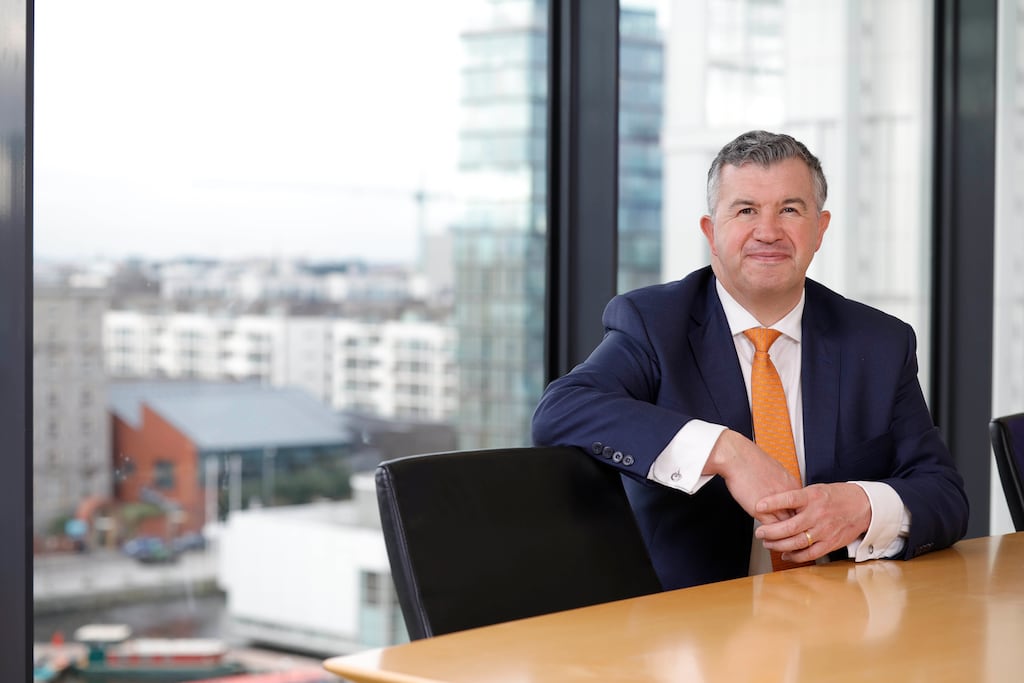
“Housing and energy infrastructure continue to shape investment decisions. Unless these pressures ease, Ireland’s competitiveness and business growth could be constrained,” said Will Carmody, managing partner at Mason Hayes & Curran.
RM Block


Mr Carmody said “the legislative reforms recommended in the recent Accelerating Infrastructure Report need to be quickly enacted to fast-track priority developments, remove uncertainty and free up additional investment.”
Regulatory challenges were also highlighted by businesses. Almost half of which, 49 per cent, suggested the regulatory climate in Ireland is more of a risk to competitiveness than in other countries. It was also identified as the biggest challenge for 23 per cent of the company respondents.
Why are apartments in Ireland so much more expensive to build than houses?
Nearly a third of business leaders (30 per cent) anticipate the adoption of artificial intelligence (AI) will lead them to reduce their employee numbers in the coming year. Despite this, one fifth of business leaders anticipate staff increases.
The optimistic attitudes towards AI adoption remain, as 39 per cent of executives expect AI to boost productivity, however Mr Carmody warned that while the technology is “transforming business models and workforce strategy” there is also a need for care in its implementation is critical to avoid legal issues.
Despite the challenges coming down the track, Irish businesses are more optimistic for the next year than in the survey’s previous years – one third of business leaders expect the economy to grow in the next year, with just 14 per cent anticipating a decline. The remainder expect stagnancy.


