Clontarf native Michelle Wittler has been told she is the first Irish-born mayor to be elected in Germany.
“It’s a beautiful town, the stone walls and the towers, the community. It’s something very special. I wouldn’t like to live in a big city any more,” she says.
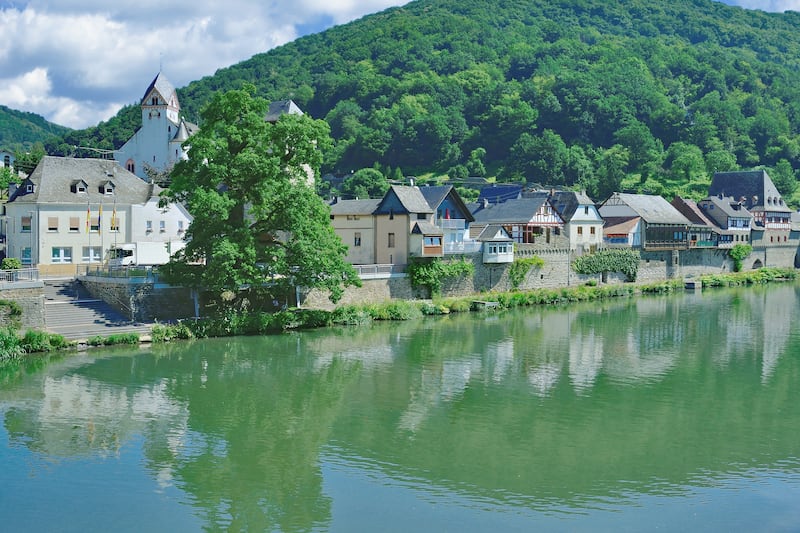
She is speaking from the town hall in the well-preserved medieval-era village of Dausenau, which has a population of just over 1,000 people.
“We have one of the most leaning towers in the world, and we have just got it stabilised and completely restored after decades,” says Wittler.
Irish abroad: We want to hear your stories of life outside Ireland

Reader callout: Are you in Sydney? Share your experience in the wake of the mass shooting at Bondi Beach

Irish-born mayor of a German town: ‘People are a lot stiffer here. I’m a bit starchy after all this time’
My mother dragged me under protest aged 10 to see Seamus Heaney read, but the impact stayed

The picturesque settlement on the banks of the Rhine tributary Laan is just half an hour from Koblenz. She works part-time as mayor but her main job, for the past three decades, has been at the Rhineland-Palatinate statistics office.
“I love living here ... I like the bureaucracy. Things are planned and I like planning things.”
[ An Irishman in Berlin: ‘For Germans, everything is forbidden unless it allowed’Opens in new window ]
She thinks this organisation is partly why she likes being the mayor.
The first time she was elected for centre-left SPD party six years ago she won narrowly. Voters were “chancing their arm” as they didn’t know what they were getting, she says.
“Some people did not like me being mayor, as I’m not German or from the town originally,” she says.
She thinks they have “mellowed now” because they see she is doing a good job. Her Irishness is “not an issue any more”.
She hopes her strong election victory the second time around is a testament to her hard work and diligence. “I am giving it all I can; I like to feel I have done my best.”
She is a relative latecomer to politics. Aside from a stint as publicity officer on the Trinity Students’ Union, she didn’t get involved in politics until she was elected to the council in her 40s.
Wittler first lived in Germany as a student to “brush up” on her oral language skills. She was studying Irish and German in Trinity in 1984 and was told her skills weren’t good.
She went first for a semester and then for a year. She never went back, and now Germans can’t always tell she is not a native speaker.
“People know there is something there” when she is speaking. “There is a melodic tone to the way I pronounce words which can give away that I’m not German.”
[ ‘Things have gone noticeably downhill’: a Dubliner on 30 years living in GermanyOpens in new window ]
She also thinks Germany has changed her. “People in Ireland are easy-going and natural. They are a lot stiffer here ... I’m a bit starchy after all this time.”
Wittler married a man from the spa town of Bad Ems, the next village to Dasenau. He was a sailor and they met when she was working and staying on a Rhine River cruise from Rotterdam to Basle in her 20s.
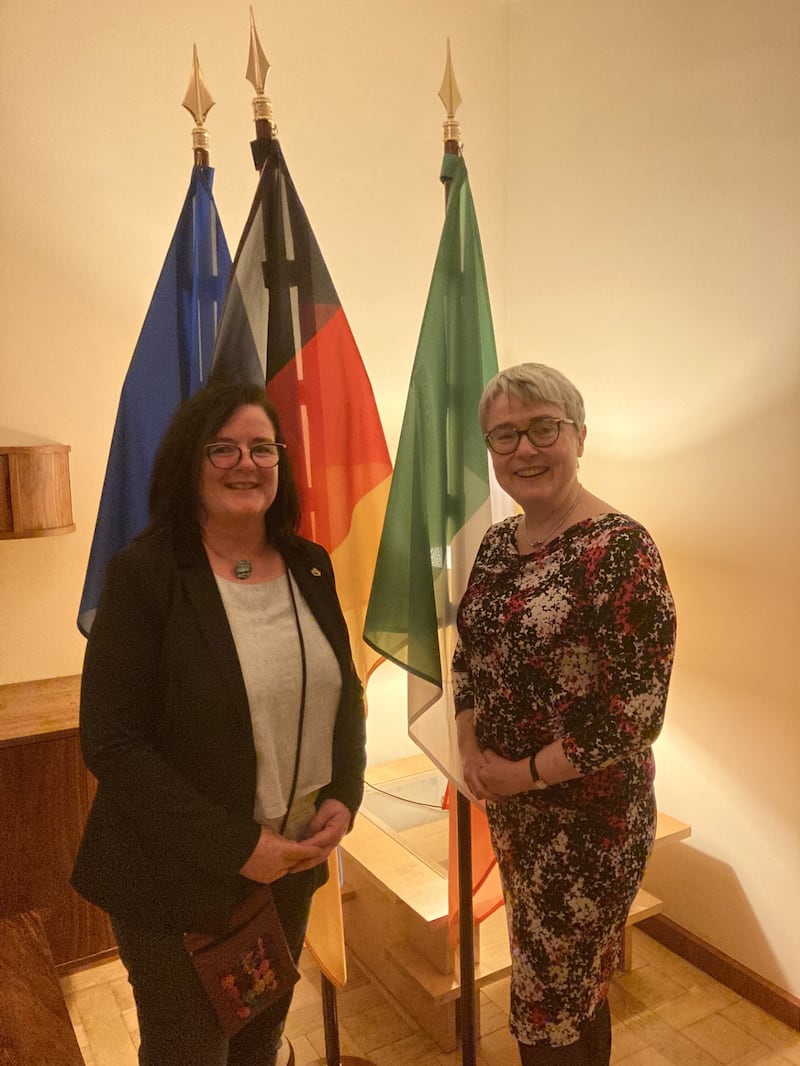
Partly because she wasn’t able to vote in elections either in Ireland or Germany, Wittler took dual German-Irish citizenship. “I feel half Irish and half German. I feel European; there is no big difference”
When she tells people she is Irish, the feedback is positive for the friendliness, the greenness of the landscape and the pub culture.
Despite living in a place without an Irish community, she has brought a bit of Ireland to her town with the “greening” of the old tower for St Patrick’s Day. She also keeps in touch with the Irish consulate in Frankfurt, which “takes care of the Irish”.
And while the pull to Ireland lessened following the deaths of her parents, she still describes the beauty of going back. “When I go back home it’s like I never left. When I meet school pals and cousins and haven’t seen them for five years, we get a cup of tea and biscuits and pick up right where we left off.”
- Are you Irish and living in another country? Would you like to share your experience with Irish Times Abroad, something interesting about your life or your perspective as an emigrant? You can use the form above, or email abroad@irishtimes.com with a little information about you and what you do. Thank you
- Follow us on Instagram to keep up with the latest
- Sign up to The Irish Times Abroad newsletter for Irish-connected people around the world. Here you’ll find readers’ stories of their lives overseas, plus news, business, sports, opinion, culture and lifestyle journalism relevant to Irish people around the world.