Dermot O’Leary has built his entire career on being inoffensive. Everything about him - from his chipper demeanour to those middle-aged menswear Instagram posts – present him as amiable, benign and charismatic, but not dangerously so. It’s simply not possible to have a problem with TV’s everyman.
Until he starts talking about his Irish identity, that is.
O’Leary’s been popping up on Irish chat show sofas lately. He has a new children’s book to promote, which is set in Ireland (Toto the Ninja Cat and the Pirate Treasure Hunt, for interested parties). He’s also been filming a new series of Dermot’s Taste of Ireland - a travelogue meets gastronomic tour - due to air on ITV in early 2026.
But rather than dwelling on the kids’ books or the oysters, presenters have been keen to discuss another topic: O’Leary’s Irishness (add your own inverted commas if you like). It’s almost as if they’ve been primed by the furore that ensued when Ed Sheeran announced he felt “culturally Irish” and the internet lost its collective mind that a man who grew up with a dad from Belfast, spent summers in Ireland and listened to trad music at home felt quite… well, Irish?
Irish abroad: We want to hear your stories of life outside Ireland

Am I Irish-ish? I’m not not Irish. Being second-generation Irish in Britain is complicated
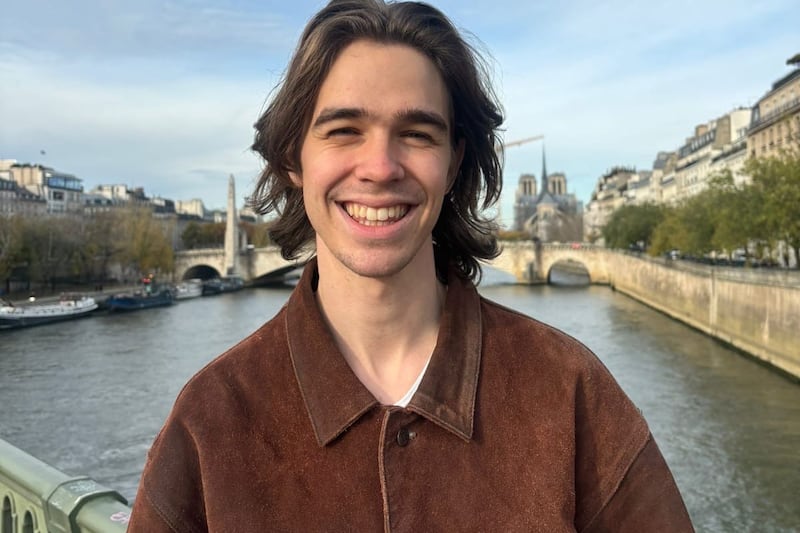
Letters home: ‘Parisians are the Dubs of France, nobody speaks to each other on the metro’
Reader callout: Are you in Sydney? Share your experience in the wake of the mass shooting at Bondi Beach

Fair play to O’Leary, he’s been managing it well. On Virgin Media’s Six O’Clock Show, Brian Dowling went for the jugular. “Do you identify as Irish?” he asked. “Yeah,” Essex-born O’Leary replied, the shrug audible in his voice. “Always have done, really.” An anecdote followed about young O’Leary’s cousins beating him up for being English - until someone else called him English and they started beating them up instead. “I’m joking!” he laughed. But as someone who grew up like him - born in England to Irish parents, school holidays spent in Sligo, bacon and cabbage in my veins and bottles of holy water in my cupboard - our Irish identity isn’t a joke.
‘I couldn’t quite bring myself to wear an England shirt like Ed Sheeran does, but I’m very fond of big swanky [British] institutions like the National Theatre and the Portrait Gallery’
— Laura McDonagh
It’s a complicated business, being second-generation Irish in Britain. Many of us share a similar story: parents who came over from Ireland in the ’60s, ’70s or ’80s due to economic necessity. Those who spent summers going "home home" (the emphasis always on the first word), and the rest of the year looking back over their shoulder to Ireland.
My dad would phone his siblings on Sundays, when the rates were cheaper, to find out the important stuff: who was selling land; who was dead or dying. Going back to Sligo was always the plan “one day”. But then everything changed - his health, his scattered children and grandchildren, the sudden death of my mother. He’s still in Britain, feeling happy with his lot and resigned, and also displaced. These things are all true, all contradictory, and yet they co-exist. And they all filter down to the second generation - to me, his English-born, Irish-feeling daughter.
O’Leary ploughs through this complexity with the air of someone who’s grappled with it for a long time. In March this year, he attended the first-ever St Patrick’s Day reception at 10 Downing Street. Outside the famous door, he told an interviewer he’s never held a British passport. “I’m Irish,” he said, but not in a “wrap myself in the flag and go to bed kind of way.” And not in a way that’s disconnected by generations of distance of thousands of miles: “I know my history,” he says with a smile. He doesn’t knock Britain - the ancient oppressor, but also the place where he lives with his wife and child and has been gainfully employed for the duration of his adult life.
I can relate. I’ve benefitted from good English schools, great universities and the Guardian Soulmates website, where I met my very nice (English) husband. I couldn’t quite bring myself to wear an England shirt like Ed Sheeran does, but I’m very fond of big swanky institutions like the National Theatre and the Portrait Gallery. Newcastle-upon-Tyne is probably my favourite city on earth. I remember feeling quite glowy about the 2012 London Olympics, especially the bit at the opening ceremony with all the nurses and the hospital beds.
‘We’re not saying we’re Irish full-stop - or most of us aren’t, anyway. But we’re also not not Irish’
— Laura McDonagh
But I feel Irish. The place I feel most at home sa bhaile, inextricably linked to belonging rather than the more narrow definition of a place or dwelling, will always be the west of Ireland. It’s all a bit complicated, isn’t it?
“Sorry Derm, you’re English,” one valiant keyboard warrior gripes in response to his musings on being of mixed heritage. But to her and other identity gatekeepers, I have my own questions: who made you the authority on what constitutes being culturally Irish? Don’t you have cousins like me – uncles and aunts like my Irish-born, England-living parents?
Who are we, then - raised in homes with Irish accents, culture, traditions, framed aerial photographs of bungalows - if not Irish-ish? We’re not saying we’re Irish full-stop - or most of us aren’t, anyway. But we’re also not not Irish.
I’m going to pinch a phrase from O’Leary. “It’s not the same as being born and brought up [in Ireland],” he says of his upbringing in Colchester, Essex. “But it’s a version of it… I always say, I consider myself Irish, but not from Ireland.” On the Six O’Clock Show sofa, the presenters nodded in agreement. Me too. And if the comments are anything to go by - the odd keyboard warrior notwithstanding - there’s a lot of us who feel this way.
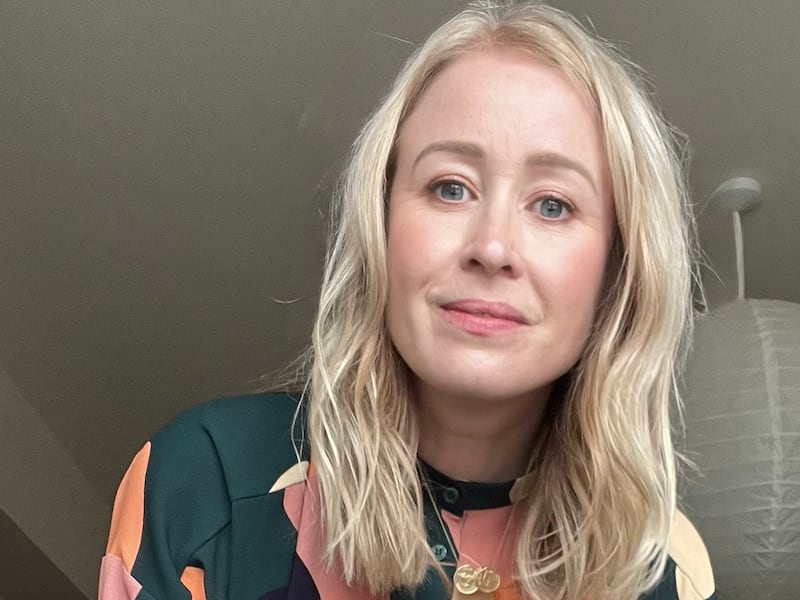
Laura McDonagh is a second-generation Irish writer living in northeast England. Her first book, Commonplace - a memoir about growing up Irish in Britain, memory and belonging - will be published by New Island Books in Spring 2027
- Are you Irish and living in another country? Would you like to share your experience with Irish Times Abroad, something interesting about your life or your perspective as an emigrant? You can use the form above, or email abroad@irishtimes.com with a little information about you and what you do. Thank you
- Follow us on Instagram to keep up with the latest
- Sign up to The Irish Times Abroad newsletter for Irish-connected people around the world. Here you’ll find readers’ stories of their lives overseas, plus news, business, sports, opinion, culture and lifestyle journalism relevant to Irish people around the world