
Brendan Lillis well remembers the day of Scotstown’s only All-Ireland final on St Patrick’s weekend, 1979. One of the first PE graduates from what would become the University of Limerick, Lillis was training the team as well as lining out at centrefield.
He also played for the county and was involved with the side which would win Monaghan’s first Ulster title in 41 years later that year. The club final, though, was a bracing experience.
The Irish Times headline on Monday, March 19th, read: Weekend weather turned holiday into ordeal for many. Lillis among them.
“It should never have been played,” he remembers. “It was a disaster. I know coming in at half-time, our hands were frozen and we spent it trying to get them warmed up.
RM Block


“I know myself when I look back at the underperformance, I think I dropped one or two balls, my hands were that cold, I couldn’t hold on to them.”
The old Croke Park didn’t prioritise player comforts to the same extent as its modern successor.
“Well, I know after the game, when we got into the shower, it was just painful. I was trying to get the circulation back into the system, you know.”
On the field, opponents Nemo Rangers from Cork, already a force in the developing club championship, were nonetheless making it hot for their Monaghan opponents.
“It was memorable because [of what] we had come through. We had beaten Walsh Island [the Offaly and Leinster champions, home to the celebrated Connor brothers] to get to the final and we were kind of rank outsiders.
It was however a great day for Scotstown. “The whole place emptied out and, of course, trying to get back home, but getting stuck, not being able to get up the Hill of Slane.”
Lillis doesn’t feel Scotstown played particularly badly but says the lack of experience of facing teams of the calibre of Nemo didn’t help.
Would he have been surprised to know then, that his club still wouldn’t have returned to that level, nearly 47 years later?
“It would have surprised me because, I mean, in the next two years, the Barrs beat us in the semi-final, you know, so we weren’t far away. It’s the old story, though. Some of us probably stayed on playing too long.”
Scotstown have had a tendency to come in waves. Second on the Monaghan roll of honour with 24 county titles – all accumulated since 1960 – they won 12 of them within the 20 years between 1974 and ’93. Then there was another 20 years of drawing blanks.
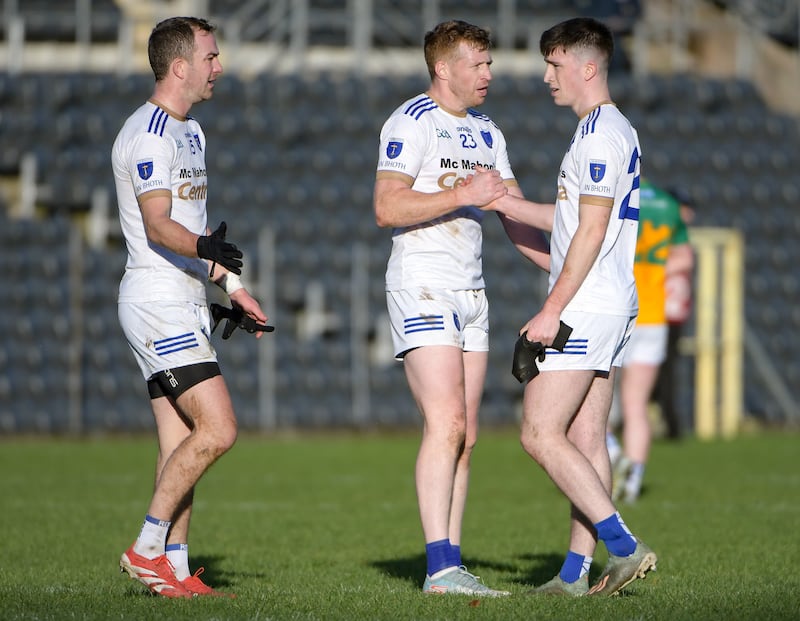
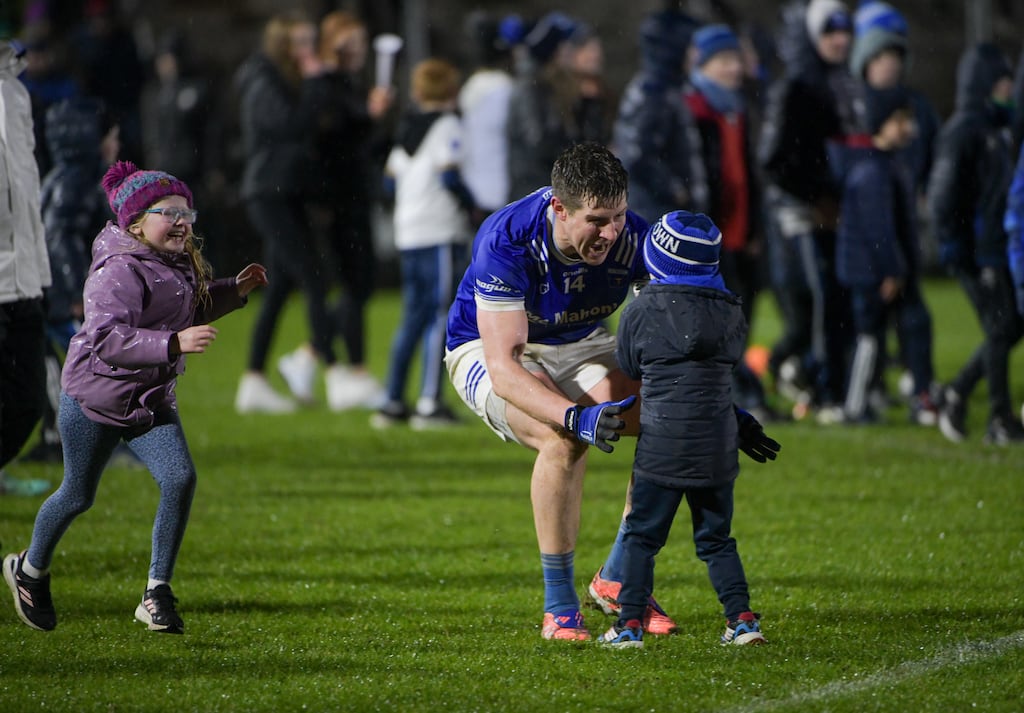
Since then, they have won 10 of the last 13 championships. Taking it farther has however proved a barrier. Unlike the 1970s team, which won three provincial titles in a row, the current side will on Saturday evening contest a fourth final, but have yet to add to the four Ulsters that have them joint second behind Crossmaglen.
Armagh All-Ireland winner and Wicklow manager Oisín McConville has experience of Monaghan football from coaching Inniskeen. He also has six club All-Irelands with Crossmaglen.
“When you play against Scotstown, it’s very difficult to figure out their system. That’s the first thing. Then secondly, they have a lot of weapons so it’s very difficult to try and counteract all of those weapons.
“I think Jack McCarron coming in, seems to have been a bit of a missing link though.”
McCarron arrived from junior side Currin two years ago in a move that wasn’t without controversy but his father Ray, an All Star from the 1980s, was a Scotstown player and there was no rule against the move.
Two of those ultimately disappointing provincial finals were lost only after extra time. Could getting over the line become an issue for this generation?
“Yeah, definitely,” says McConville. “I think though, having looked at the tight games they’ve played this year, they have been managing to come out the right side of them but there definitely is that danger.
“I still think they’re going to be there and I don’t think those scars will haunt them.”
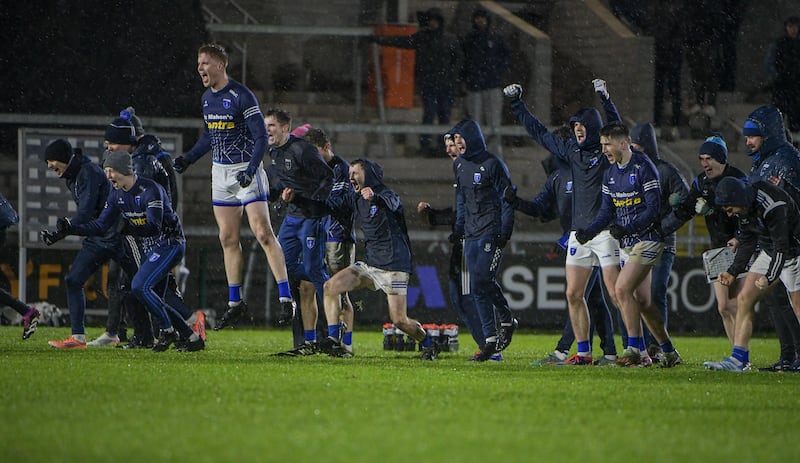
The team started the championship sluggishly and only picked up momentum as they moved through Monaghan. The arrival of a number of county minors from the 2022 cohort that reached the All-Ireland final has energised what had become a very settled team, based on mature intercounty footballers.
Max Maguire, who shot 0-7 from play in the quarter-final against Naomh Conaill, Tommy Mallen, scorer of 1-2 in the dramatic semi-final with Newbridge, which went to a penalty shoot-out, and defender Donnchadh Connolly were all minors three years ago.
Dermot Malone was manager of that team, which lost the All-Ireland final to Derry.
“That whole group and those boys in particular are very, very coachable, really open-minded. Any time you give them suggestions, they’ll take them all on board and they’re not afraid to come up and ask you the right questions. As a coach or as a manager, that’s all you can really ask for.
“They’re missing one of their best arguably, which would be Seán McElwaine, who’s also that age. He’s out with a hamstring injury.”
A brilliant forward with a big future, he had been playing very well for the club, combining inside with McCarron but picked up the injury against Corduff and hasn’t played since.
The club premises draw attention to one distinction. Scotstown has produced both a director general of the GAA, Páraic Duffy, and an association president, the late Seán McCague, who also distinguished himself as a manager with the club and the county.
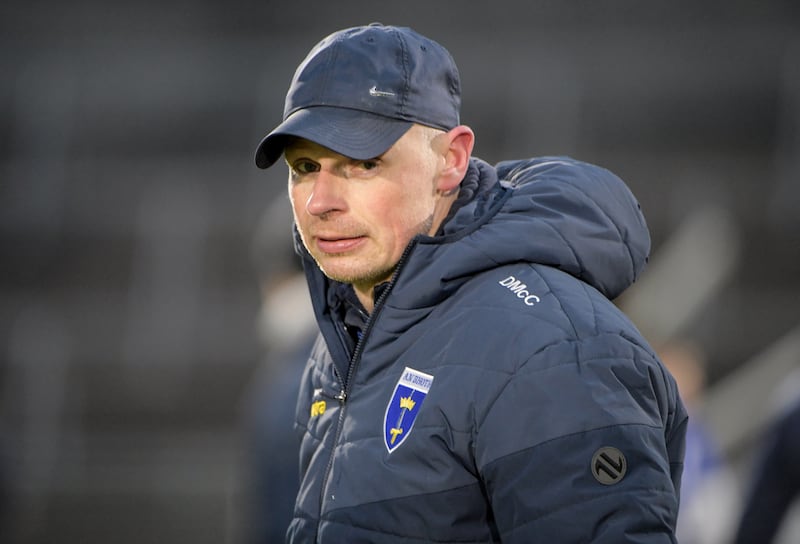
He played other roles in the club, taking charge of negotiations to acquire 17 acres that had been a nearby former tomato and mushroom farm – which he did for £58,000 in the 1990s. This acquisition provided a Prunty pitch and three of the playing fields.
When Scotstown last won Ulster in 1989, Seámus McElwaine – father of broadcaster Gráinne, who won an All-Ireland Scór with the club in 1996 – was chair.
“We beat Coalisland in Armagh in 1989 and then lost the semi-final to Clann na nGael by a point. I was just joking recently that I’d love someone else to come along and take that distinction away!”
For a rural club, there is little talk of depopulation.
“No, demographics are pretty close to Monaghan town as well. So, it’s kind of a dormitory area as well. There’s good employment in Monaghan, places like Combilift [the global engineering firm]. For its size, Monaghan has a big entrepreneurial sector and other industries, like farming and poultry.”
McElwaine is optimistic about the weekend on the basis that “any team that has Rory Beggan, have a good chance.”
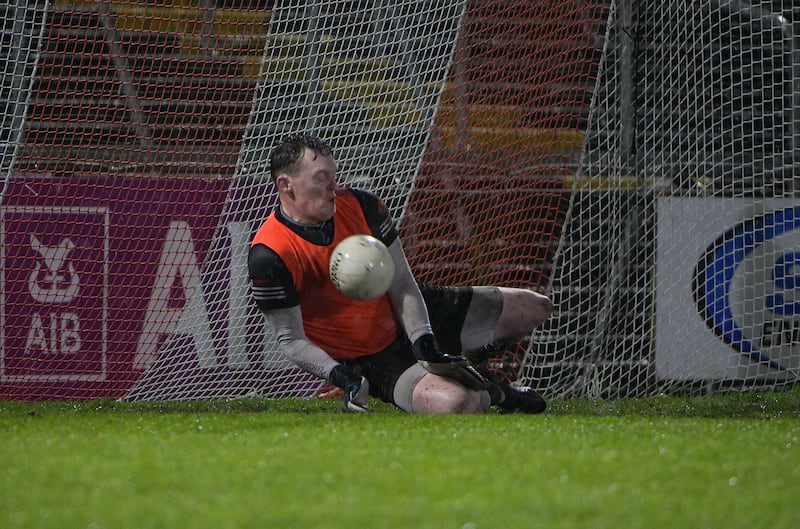
The county’s All Star goalkeeper played his usual influential role in the semi-final, saving and then scoring a penalty in the shoot-out.
“His father would have played in the ’89 team, Ben Beggan. A very good free-taker as well and a midfielder. He played for Monaghan too and was a man for the long-range free, so it’s in the genes.”
He’s not alone. As well as Beggan and McCarron, the team includes a McCarville and manager David McCague is a nephew of Seán.
They now face Kilcoo in the Ulster final, hoping at last to emulate those previous generations.